Original: $20.27
-65%$20.27
$7.09The Story
Bulk Fennel Seeds Wholesale 10lb | Low Price | Delivering Across Canada
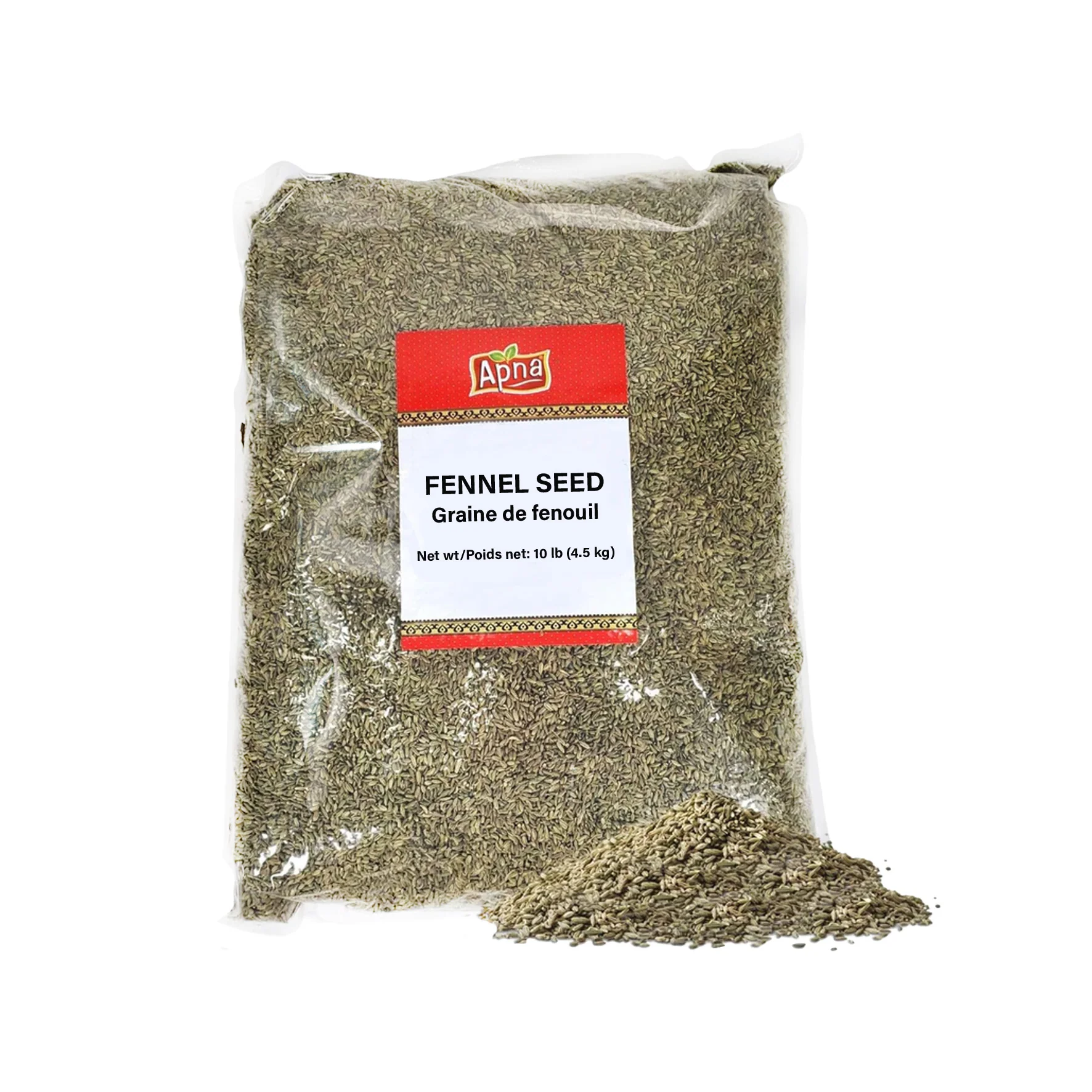
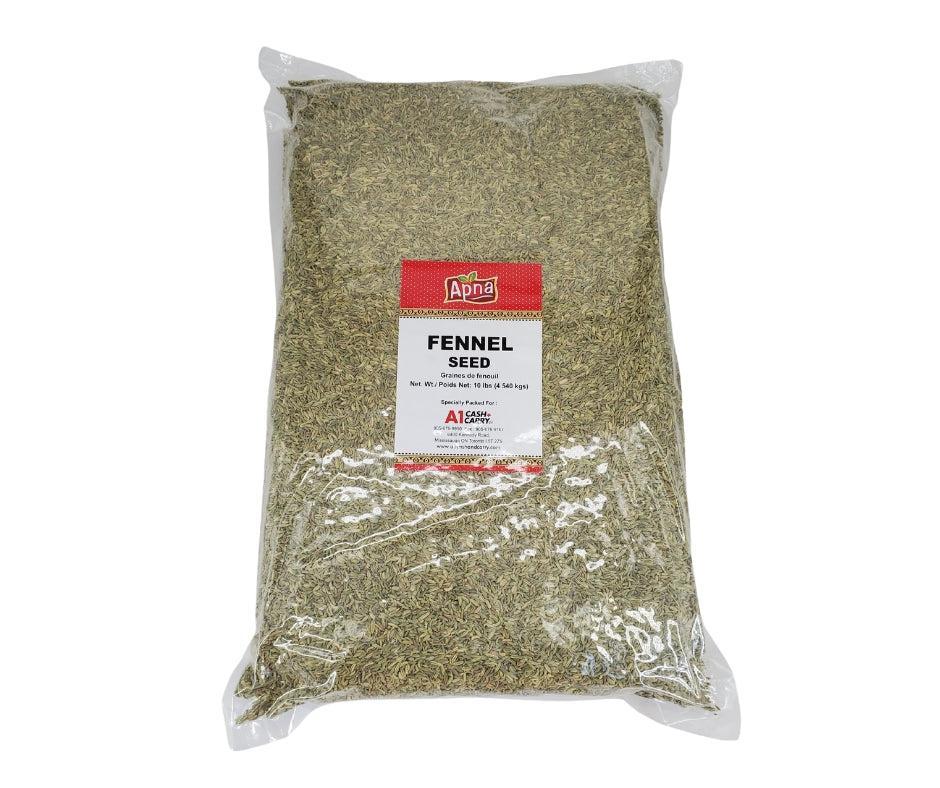
Apna fennel seeds are whole dried seeds from the fennel plant, available in 10 lb bags or cases containing 40 lbs (4x10 lb bags) for commercial foodservice operations. These aromatic seeds are used across multiple cuisines for their distinctive licorice-like flavor and functional properties in both culinary and digestive applications. Available for delivery across Canada.
Common Commercial Applications
Restaurants, bakeries, catering operations, and specialty food businesses use fennel seeds for flavoring, spice blending, and post-meal digestive offerings. The seeds' versatility allows incorporation into sweet and savory preparations across diverse cuisine types.
Typical users include:
- Indian and South Asian restaurants offering fennel seeds as mouth fresheners after meals
- Italian restaurants and pizzerias incorporating fennel into sausages, breads, and sauces
- Bakeries using fennel in specialty breads, crackers, and biscotti
- Catering companies preparing diverse flavor profiles for events
- Cafes and tea houses creating herbal tea blends and infusions
- Food trucks and street food vendors developing signature spice blends
- Specialty food retailers packaging bulk seeds and spice mixes
- Corporate cafeterias and institutional kitchens with internationally-influenced menus
- Meal prep services offering Mediterranean and Middle Eastern cuisine
Product Characteristics and Flavor Profile
Fennel seeds are small, oval-shaped seeds with distinctive ridges running lengthwise. The seeds measure approximately 4-8 millimeters in length and range from pale green to greenish-brown in color when fresh.
Sensory characteristics:
- Flavor: Sweet, licorice-like taste with slight peppery notes
- Aroma: Anise-like fragrance with sweet, warm undertones
- Texture: Hard when whole, crunchy when chewed
- Appearance: Elongated oval shape with visible ridges
The seeds contain natural essential oils, primarily anethole, which contributes to their characteristic flavor and aroma. These volatile oils are released through toasting, grinding, or steeping.
Culinary Uses in Commercial Kitchens
Fennel seeds serve multiple functions in professional cooking environments:
Spice and seasoning applications:
- Italian sausage production and meat seasoning
- Pizza dough and focaccia bread formulations
- Spice rubs for pork, fish, and poultry
- Pasta sauce flavor development
- Pickle and brine preparations
- Curry bases and masala blends
Baking applications:
- Specialty bread and roll toppings
- Biscotti and cookie ingredients
- Cracker and flatbread seasonings
- Sweet pastry fillings
Beverage applications:
- Herbal tea blends and infusions
- Digestive tea preparations
- Flavored simple syrups for cocktails
- Spiced beverage formulations
Post-meal offerings:
- Mouth freshener service in Indian restaurants
- Sugar-coated fennel seed (mukhwas) preparations
- Digestive aid offerings
Preparation methods:
- Used whole as-is for maximum texture and gradual flavor release
- Toasted to intensify aroma and deepen flavor
- Ground or crushed for integration into spice blends
- Steeped in liquids for flavor extraction
Packaging Options and Storage
10 lb bag: Suitable for moderate-volume operations, recipe development, or businesses with space constraints. This size allows easier handling and inventory rotation.
Case of 40 lbs (4 x 10 lb): Designed for high-volume users, food manufacturers, or operations with consistent fennel seed usage across multiple menu items or product lines. Bulk cases typically provide cost efficiency for establishments with adequate storage facilities.
Proper storage maintains seed quality and preserves essential oils:
- Store in airtight containers in cool, dry locations away from direct sunlight
- Avoid exposure to heat sources that can degrade volatile oils
- Keep away from moisture to prevent clumping or mold development
- Store separately from strong-smelling items as seeds can absorb odors
- Implement first-in, first-out rotation practices
- Climate-controlled environments help preserve aromatic compounds
- Whole seeds maintain quality longer than ground fennel
Operational Considerations for Commercial Buyers
Businesses using fennel seeds in volume should account for several practical factors:
Recipe standardization: Use weight-based measurements for consistent results across batches and kitchen staff
Quality assessment: Fresh fennel seeds should be aromatic when crushed. Diminished aroma indicates age or improper storage.
Toasting protocols: Establish consistent toasting procedures if recipes call for this step, as timing affects flavor intensity
Grinding as needed: Grind seeds close to use time to preserve aromatic oils and prevent flavor loss
Yield calculations: Track usage rates to determine cost per dish and establish reorder points
Staff training: Ensure team members understand proper storage, handling, and preparation techniques
Allergen considerations: Some facilities track fennel as a potential allergen, particularly for customers sensitive to botanicals in the carrot family
Whole Fennel Seeds vs. Ground Fennel
Understanding the differences between whole and ground fennel helps in product selection:
Whole fennel seeds:
- Longer shelf life due to intact seed coating protecting essential oils
- Provide texture in finished dishes
- Can be toasted for enhanced flavor
- Suitable for steeping and infusions
- Require grinding or crushing for some applications
Ground fennel:
- Integrates more readily into spice blends and batters
- Releases flavor more quickly in cooking
- Shorter shelf life as grinding exposes oils to oxidation
- More convenient for high-volume applications
- Less textural impact in finished dishes
Many operations purchase whole seeds and grind portions as needed to balance convenience with freshness.
Quality Indicators for Commercial Grade Fennel Seeds
When evaluating fennel seeds for commercial purchase, buyers typically assess:
- Aroma strength: Fresh, licorice-like smell indicates quality and recent harvest
- Color uniformity: Consistent greenish-brown color suggests proper processing and storage
- Size consistency: Uniform seed size indicates quality sorting
- Cleanliness: Minimal debris, stems, or foreign material
- Moisture content: Properly dried seeds should be hard and free-flowing
- Packaging integrity: Sealed, undamaged packaging prevents moisture exposure
Visual inspection and aroma testing help verify product quality upon receipt.
Frequently Asked Questions
1. What is the difference between fennel seeds and anise seeds?
While both have similar licorice-like flavors due to anethole content, they come from different plants. Fennel seeds are slightly larger, milder, and more commonly used in savory cooking, while anise is smaller with a more concentrated sweet flavor.
2. Should fennel seeds be toasted before use?
Toasting is optional and depends on recipe requirements. Toasting intensifies flavor and aroma but isn't necessary for all applications. Establish protocols based on specific menu items.
3. How much fennel seed should I use in recipes?
Usage depends on desired flavor intensity. Typical applications use 1-2 teaspoons per batch for moderate flavoring. Start with recipe guidelines and adjust through testing.
4. Can fennel seeds be ground in advance?
Ground fennel loses aromatic oils relatively quickly. For optimal flavor, grind seeds shortly before use. If pre-grinding for convenience, store ground fennel in airtight containers and use within shorter timeframes.
5. How should I store opened bulk fennel seeds?
Transfer to airtight containers and store in cool, dry conditions away from light, heat, and moisture. Some operations use dedicated spice storage systems with humidity control.
6. Do fennel seeds lose potency over time?
Yes, volatile oils dissipate over time, particularly after grinding. Properly stored whole seeds maintain quality longer than ground seeds. Regular sensory checks help determine when replacement is needed.
7. Are fennel seeds used whole or ground in recipes?
Both applications are common. Whole seeds provide texture and gradual flavor release. Ground seeds integrate more thoroughly into dishes. Recipe requirements determine which form to use.
8. Can fennel seeds be used in beverages?
Yes, fennel seeds are commonly steeped for herbal teas, digestive infusions, and flavored syrups. Whole seeds work well for steeping applications.
9. What is the shelf life of fennel seeds in commercial settings?
Shelf life varies with storage conditions. Properly stored whole seeds can maintain quality for extended periods, though aromatic intensity gradually diminishes. Monitor through regular quality assessments.
10. How many servings can I get from 10 lbs of fennel seeds?
Yield depends on usage amounts. If using 1-2 teaspoons per application, 10 lbs provides thousands of servings. Calculate based on specific recipe portions for accurate cost analysis.
Businesses purchasing Apna fennel seeds in bulk should evaluate typical usage patterns, storage capabilities, and whether whole or ground seeds better suit operational needs. The 10 lb bag format works for moderate-volume users or those testing menu additions, while the 40 lb case suits high-volume operations with established fennel seed usage across multiple applications. Establishing proper storage protocols and inventory rotation practices helps maintain seed quality and operational efficiency across Canadian foodservice operations
Details & Craftsmanship
Every detail has been carefully considered to bring you the perfect product.
Details & Craftsmanship
Every detail has been carefully considered to bring you the perfect product.
Description
Bulk Fennel Seeds Wholesale 10lb | Low Price | Delivering Across Canada
Apna fennel seeds are whole dried seeds from the fennel plant, available in 10 lb bags or cases containing 40 lbs (4x10 lb bags) for commercial foodservice operations. These aromatic seeds are used across multiple cuisines for their distinctive licorice-like flavor and functional properties in both culinary and digestive applications. Available for delivery across Canada.
Common Commercial Applications
Restaurants, bakeries, catering operations, and specialty food businesses use fennel seeds for flavoring, spice blending, and post-meal digestive offerings. The seeds' versatility allows incorporation into sweet and savory preparations across diverse cuisine types.
Typical users include:
- Indian and South Asian restaurants offering fennel seeds as mouth fresheners after meals
- Italian restaurants and pizzerias incorporating fennel into sausages, breads, and sauces
- Bakeries using fennel in specialty breads, crackers, and biscotti
- Catering companies preparing diverse flavor profiles for events
- Cafes and tea houses creating herbal tea blends and infusions
- Food trucks and street food vendors developing signature spice blends
- Specialty food retailers packaging bulk seeds and spice mixes
- Corporate cafeterias and institutional kitchens with internationally-influenced menus
- Meal prep services offering Mediterranean and Middle Eastern cuisine
Product Characteristics and Flavor Profile
Fennel seeds are small, oval-shaped seeds with distinctive ridges running lengthwise. The seeds measure approximately 4-8 millimeters in length and range from pale green to greenish-brown in color when fresh.
Sensory characteristics:
- Flavor: Sweet, licorice-like taste with slight peppery notes
- Aroma: Anise-like fragrance with sweet, warm undertones
- Texture: Hard when whole, crunchy when chewed
- Appearance: Elongated oval shape with visible ridges
The seeds contain natural essential oils, primarily anethole, which contributes to their characteristic flavor and aroma. These volatile oils are released through toasting, grinding, or steeping.
Culinary Uses in Commercial Kitchens
Fennel seeds serve multiple functions in professional cooking environments:
Spice and seasoning applications:
- Italian sausage production and meat seasoning
- Pizza dough and focaccia bread formulations
- Spice rubs for pork, fish, and poultry
- Pasta sauce flavor development
- Pickle and brine preparations
- Curry bases and masala blends
Baking applications:
- Specialty bread and roll toppings
- Biscotti and cookie ingredients
- Cracker and flatbread seasonings
- Sweet pastry fillings
Beverage applications:
- Herbal tea blends and infusions
- Digestive tea preparations
- Flavored simple syrups for cocktails
- Spiced beverage formulations
Post-meal offerings:
- Mouth freshener service in Indian restaurants
- Sugar-coated fennel seed (mukhwas) preparations
- Digestive aid offerings
Preparation methods:
- Used whole as-is for maximum texture and gradual flavor release
- Toasted to intensify aroma and deepen flavor
- Ground or crushed for integration into spice blends
- Steeped in liquids for flavor extraction
Packaging Options and Storage
10 lb bag: Suitable for moderate-volume operations, recipe development, or businesses with space constraints. This size allows easier handling and inventory rotation.
Case of 40 lbs (4 x 10 lb): Designed for high-volume users, food manufacturers, or operations with consistent fennel seed usage across multiple menu items or product lines. Bulk cases typically provide cost efficiency for establishments with adequate storage facilities.
Proper storage maintains seed quality and preserves essential oils:
- Store in airtight containers in cool, dry locations away from direct sunlight
- Avoid exposure to heat sources that can degrade volatile oils
- Keep away from moisture to prevent clumping or mold development
- Store separately from strong-smelling items as seeds can absorb odors
- Implement first-in, first-out rotation practices
- Climate-controlled environments help preserve aromatic compounds
- Whole seeds maintain quality longer than ground fennel
Operational Considerations for Commercial Buyers
Businesses using fennel seeds in volume should account for several practical factors:
Recipe standardization: Use weight-based measurements for consistent results across batches and kitchen staff
Quality assessment: Fresh fennel seeds should be aromatic when crushed. Diminished aroma indicates age or improper storage.
Toasting protocols: Establish consistent toasting procedures if recipes call for this step, as timing affects flavor intensity
Grinding as needed: Grind seeds close to use time to preserve aromatic oils and prevent flavor loss
Yield calculations: Track usage rates to determine cost per dish and establish reorder points
Staff training: Ensure team members understand proper storage, handling, and preparation techniques
Allergen considerations: Some facilities track fennel as a potential allergen, particularly for customers sensitive to botanicals in the carrot family
Whole Fennel Seeds vs. Ground Fennel
Understanding the differences between whole and ground fennel helps in product selection:
Whole fennel seeds:
- Longer shelf life due to intact seed coating protecting essential oils
- Provide texture in finished dishes
- Can be toasted for enhanced flavor
- Suitable for steeping and infusions
- Require grinding or crushing for some applications
Ground fennel:
- Integrates more readily into spice blends and batters
- Releases flavor more quickly in cooking
- Shorter shelf life as grinding exposes oils to oxidation
- More convenient for high-volume applications
- Less textural impact in finished dishes
Many operations purchase whole seeds and grind portions as needed to balance convenience with freshness.
Quality Indicators for Commercial Grade Fennel Seeds
When evaluating fennel seeds for commercial purchase, buyers typically assess:
- Aroma strength: Fresh, licorice-like smell indicates quality and recent harvest
- Color uniformity: Consistent greenish-brown color suggests proper processing and storage
- Size consistency: Uniform seed size indicates quality sorting
- Cleanliness: Minimal debris, stems, or foreign material
- Moisture content: Properly dried seeds should be hard and free-flowing
- Packaging integrity: Sealed, undamaged packaging prevents moisture exposure
Visual inspection and aroma testing help verify product quality upon receipt.
Frequently Asked Questions
1. What is the difference between fennel seeds and anise seeds?
While both have similar licorice-like flavors due to anethole content, they come from different plants. Fennel seeds are slightly larger, milder, and more commonly used in savory cooking, while anise is smaller with a more concentrated sweet flavor.
2. Should fennel seeds be toasted before use?
Toasting is optional and depends on recipe requirements. Toasting intensifies flavor and aroma but isn't necessary for all applications. Establish protocols based on specific menu items.
3. How much fennel seed should I use in recipes?
Usage depends on desired flavor intensity. Typical applications use 1-2 teaspoons per batch for moderate flavoring. Start with recipe guidelines and adjust through testing.
4. Can fennel seeds be ground in advance?
Ground fennel loses aromatic oils relatively quickly. For optimal flavor, grind seeds shortly before use. If pre-grinding for convenience, store ground fennel in airtight containers and use within shorter timeframes.
5. How should I store opened bulk fennel seeds?
Transfer to airtight containers and store in cool, dry conditions away from light, heat, and moisture. Some operations use dedicated spice storage systems with humidity control.
6. Do fennel seeds lose potency over time?
Yes, volatile oils dissipate over time, particularly after grinding. Properly stored whole seeds maintain quality longer than ground seeds. Regular sensory checks help determine when replacement is needed.
7. Are fennel seeds used whole or ground in recipes?
Both applications are common. Whole seeds provide texture and gradual flavor release. Ground seeds integrate more thoroughly into dishes. Recipe requirements determine which form to use.
8. Can fennel seeds be used in beverages?
Yes, fennel seeds are commonly steeped for herbal teas, digestive infusions, and flavored syrups. Whole seeds work well for steeping applications.
9. What is the shelf life of fennel seeds in commercial settings?
Shelf life varies with storage conditions. Properly stored whole seeds can maintain quality for extended periods, though aromatic intensity gradually diminishes. Monitor through regular quality assessments.
10. How many servings can I get from 10 lbs of fennel seeds?
Yield depends on usage amounts. If using 1-2 teaspoons per application, 10 lbs provides thousands of servings. Calculate based on specific recipe portions for accurate cost analysis.
Businesses purchasing Apna fennel seeds in bulk should evaluate typical usage patterns, storage capabilities, and whether whole or ground seeds better suit operational needs. The 10 lb bag format works for moderate-volume users or those testing menu additions, while the 40 lb case suits high-volume operations with established fennel seed usage across multiple applications. Establishing proper storage protocols and inventory rotation practices helps maintain seed quality and operational efficiency across Canadian foodservice operations