The Story
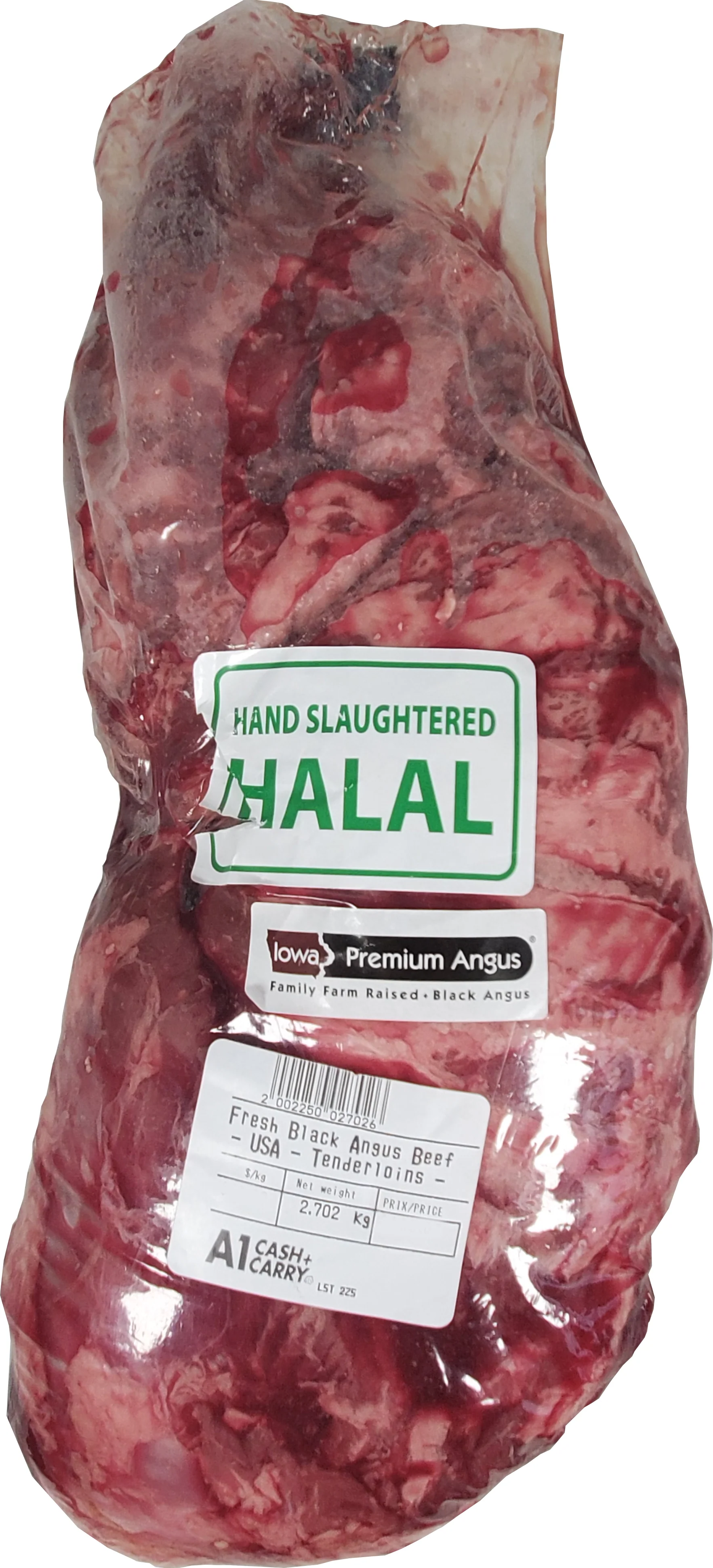
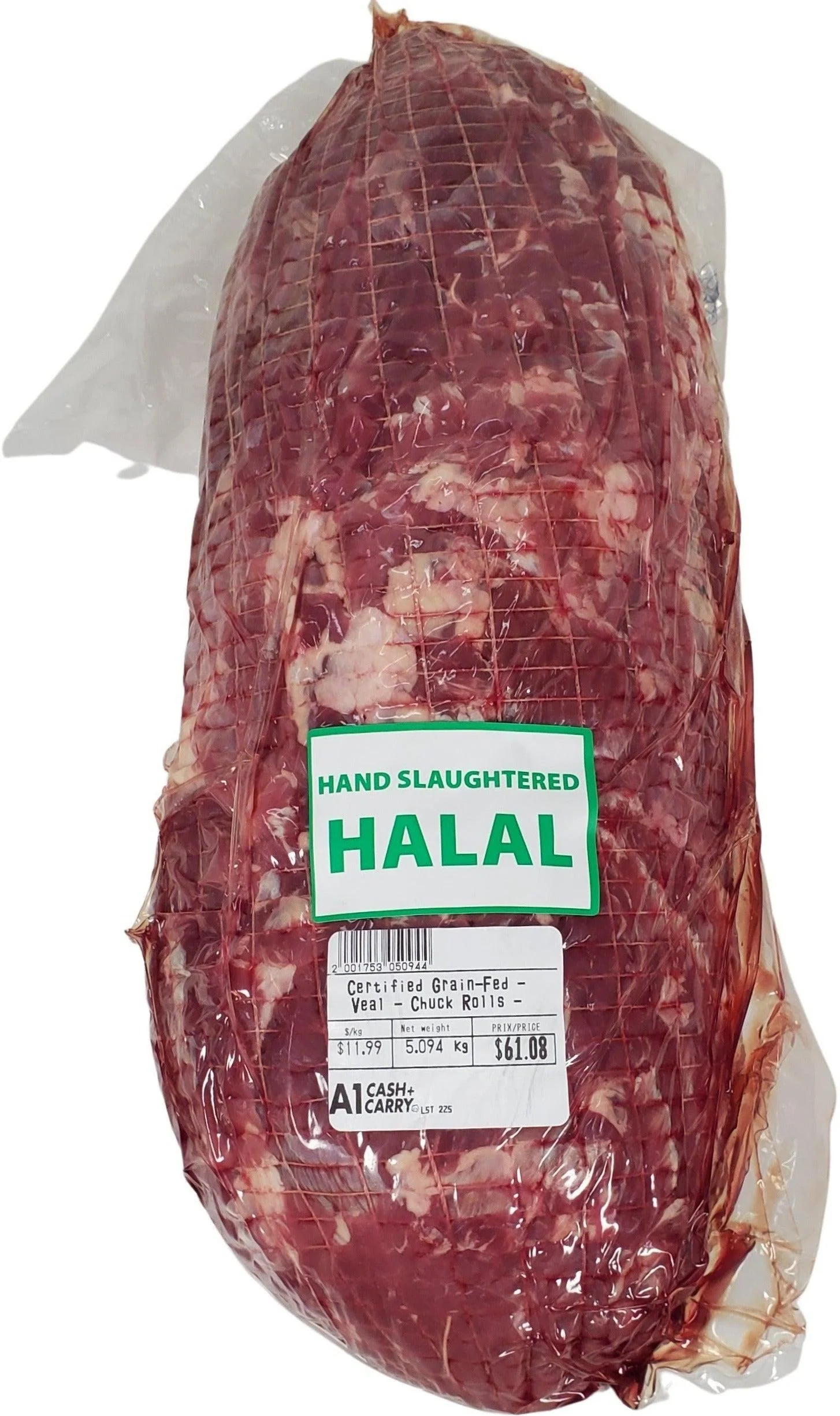
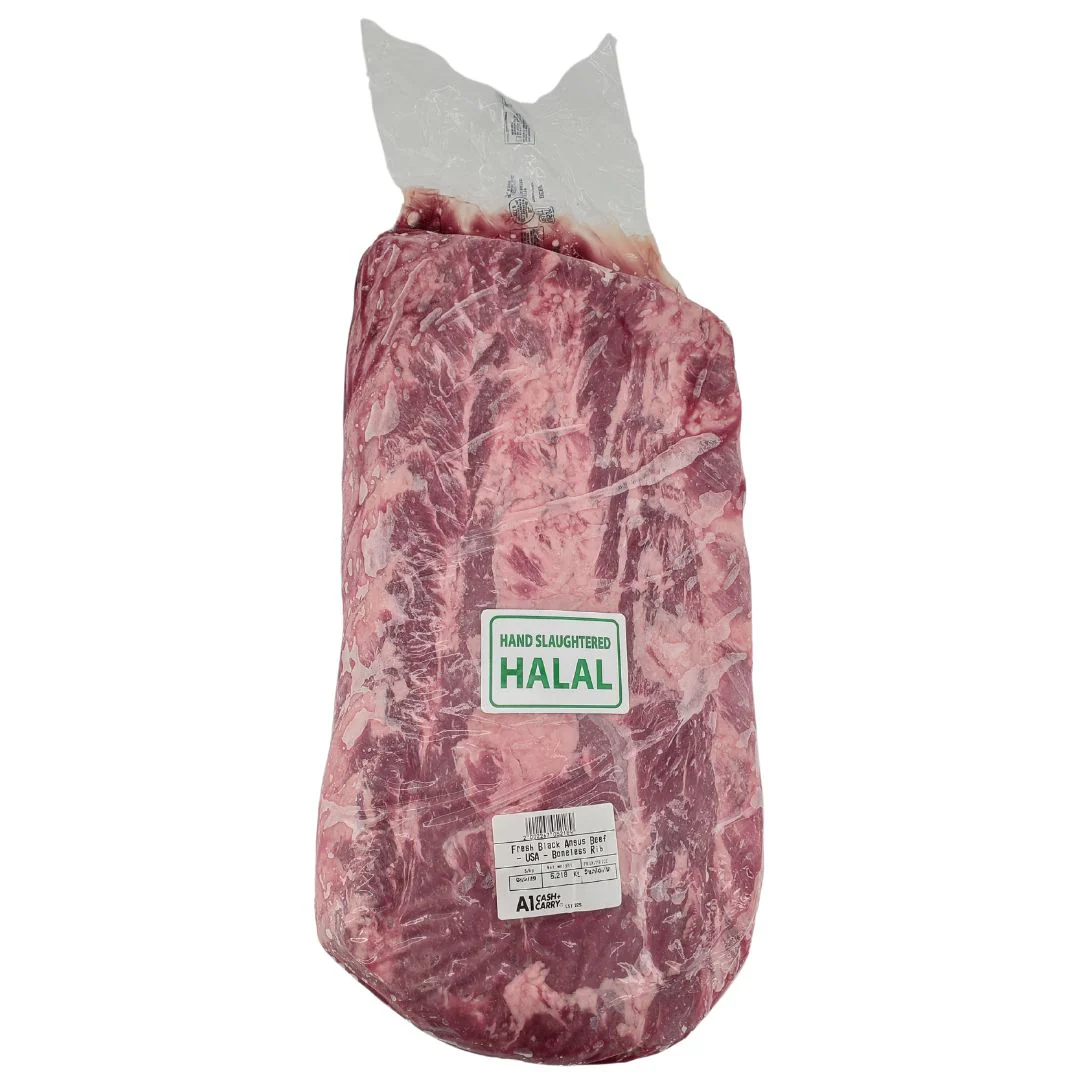
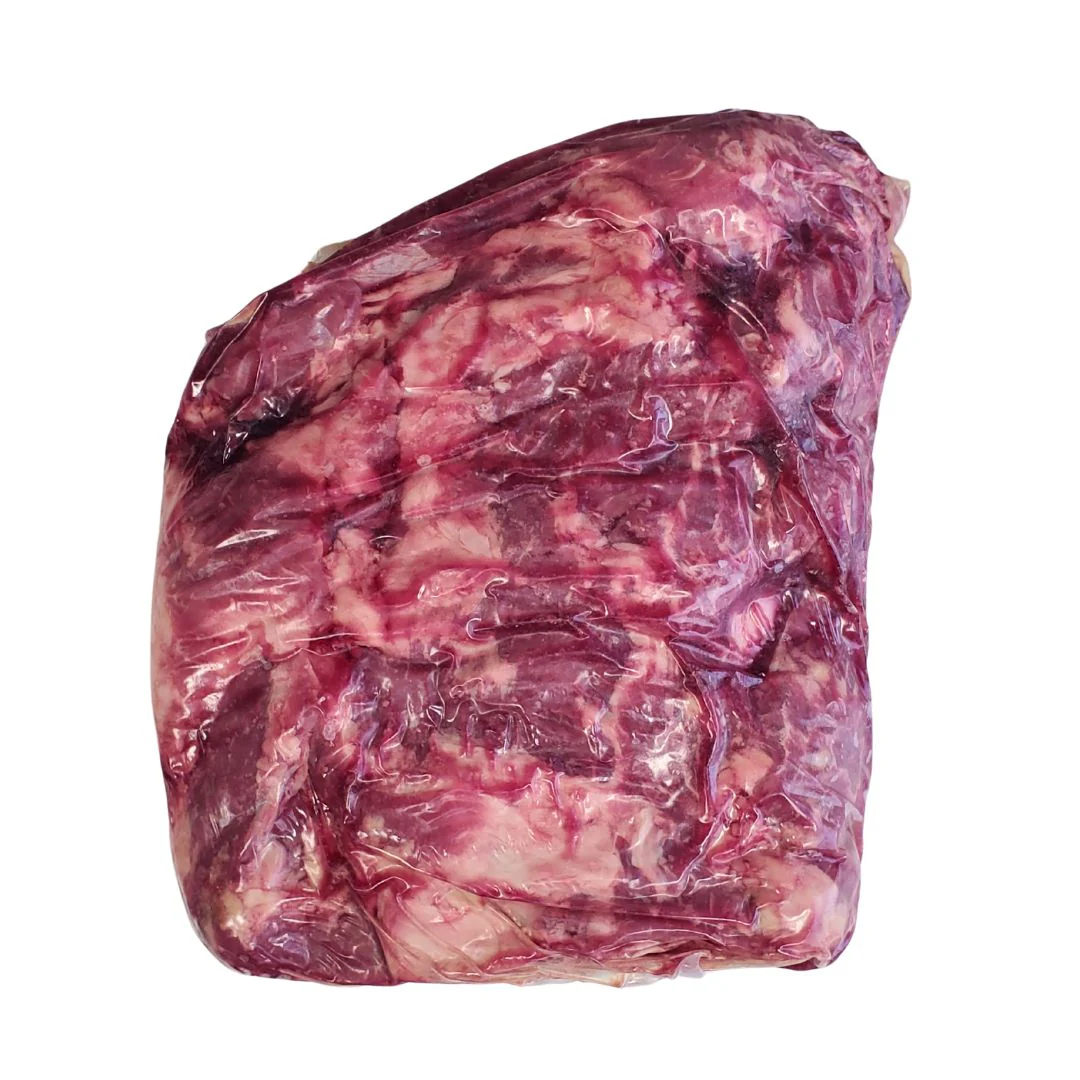
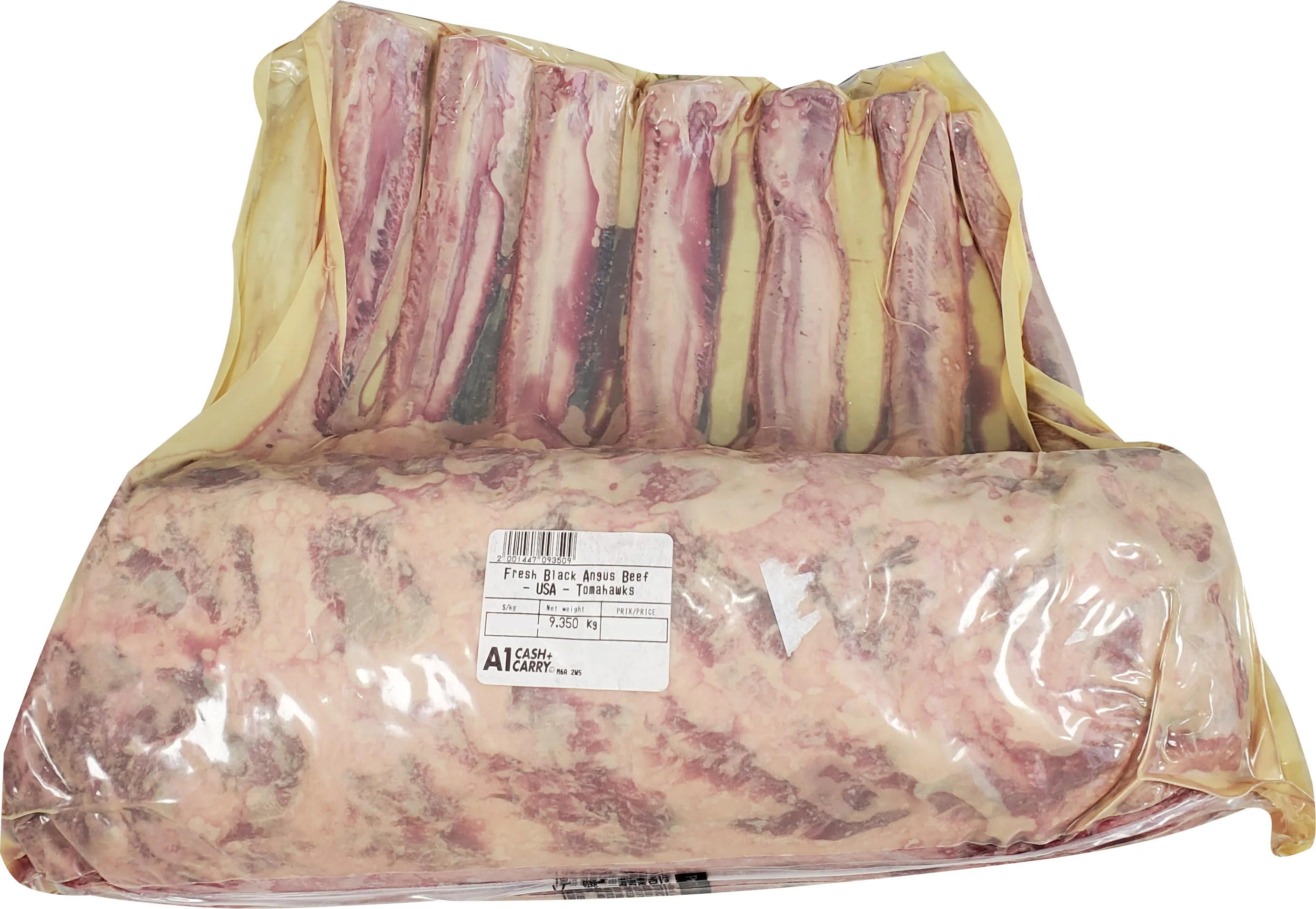
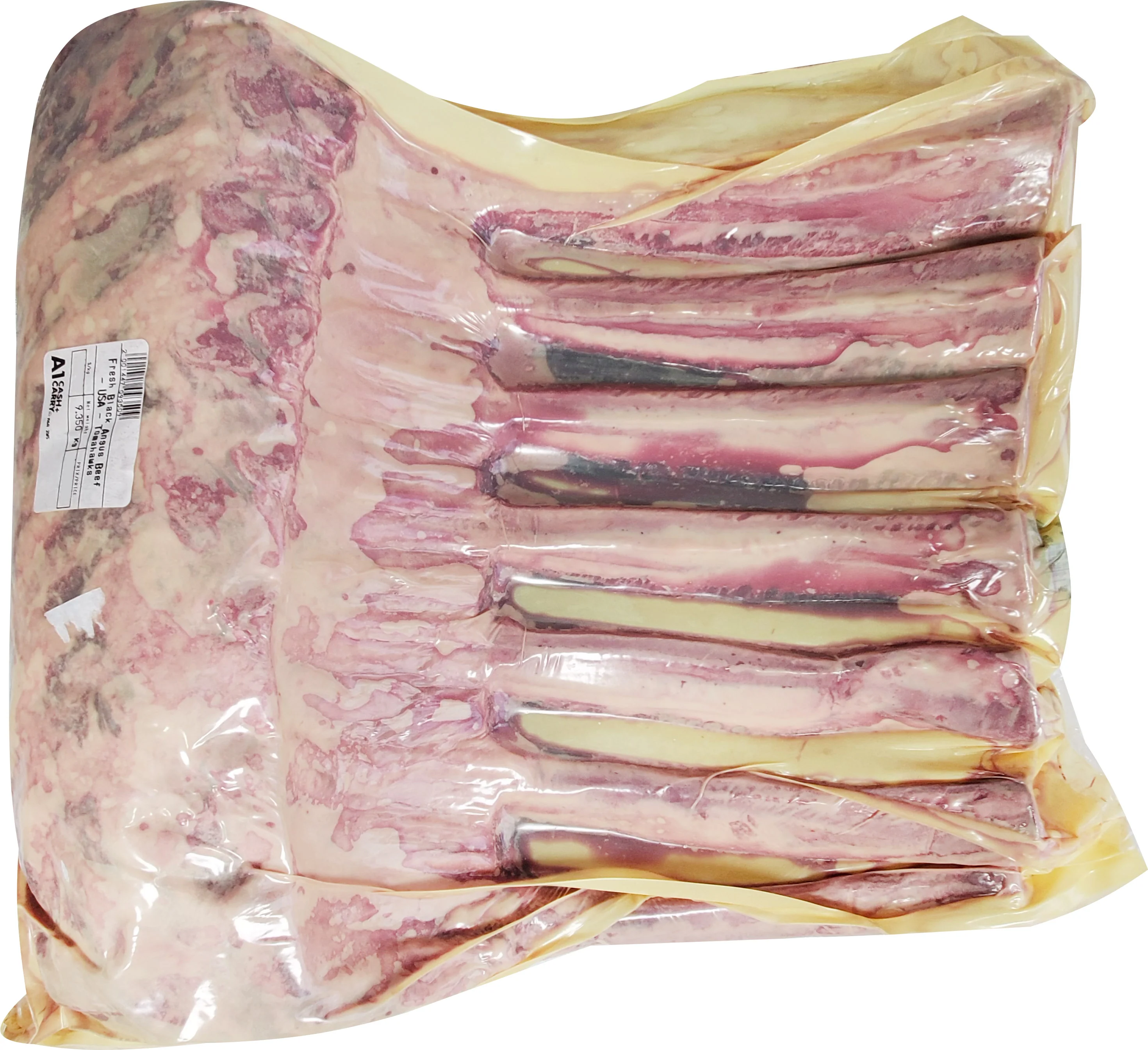
Fresh Halal Black Angus Beef Striploins USA - Delivery Across GTA
Product Overview
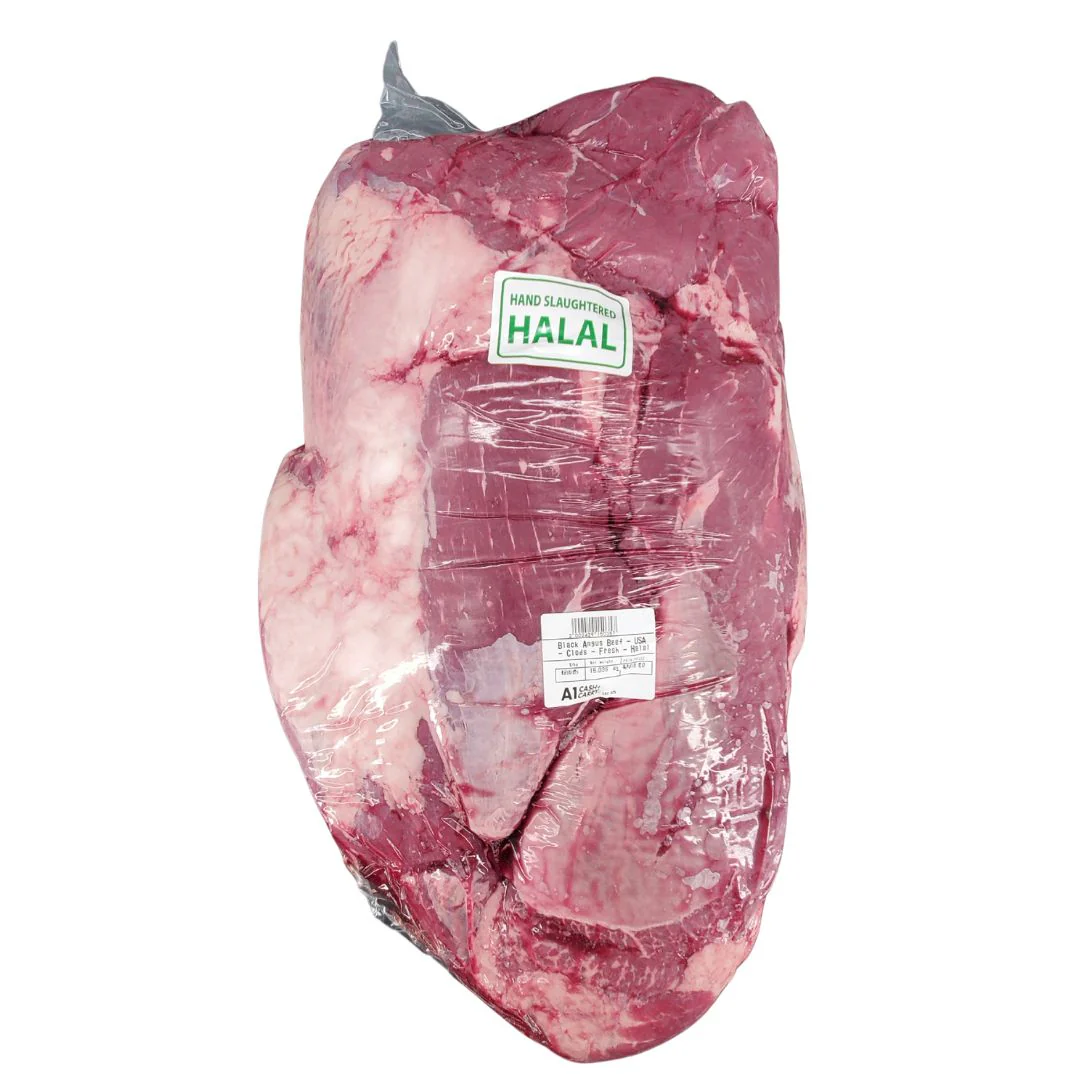
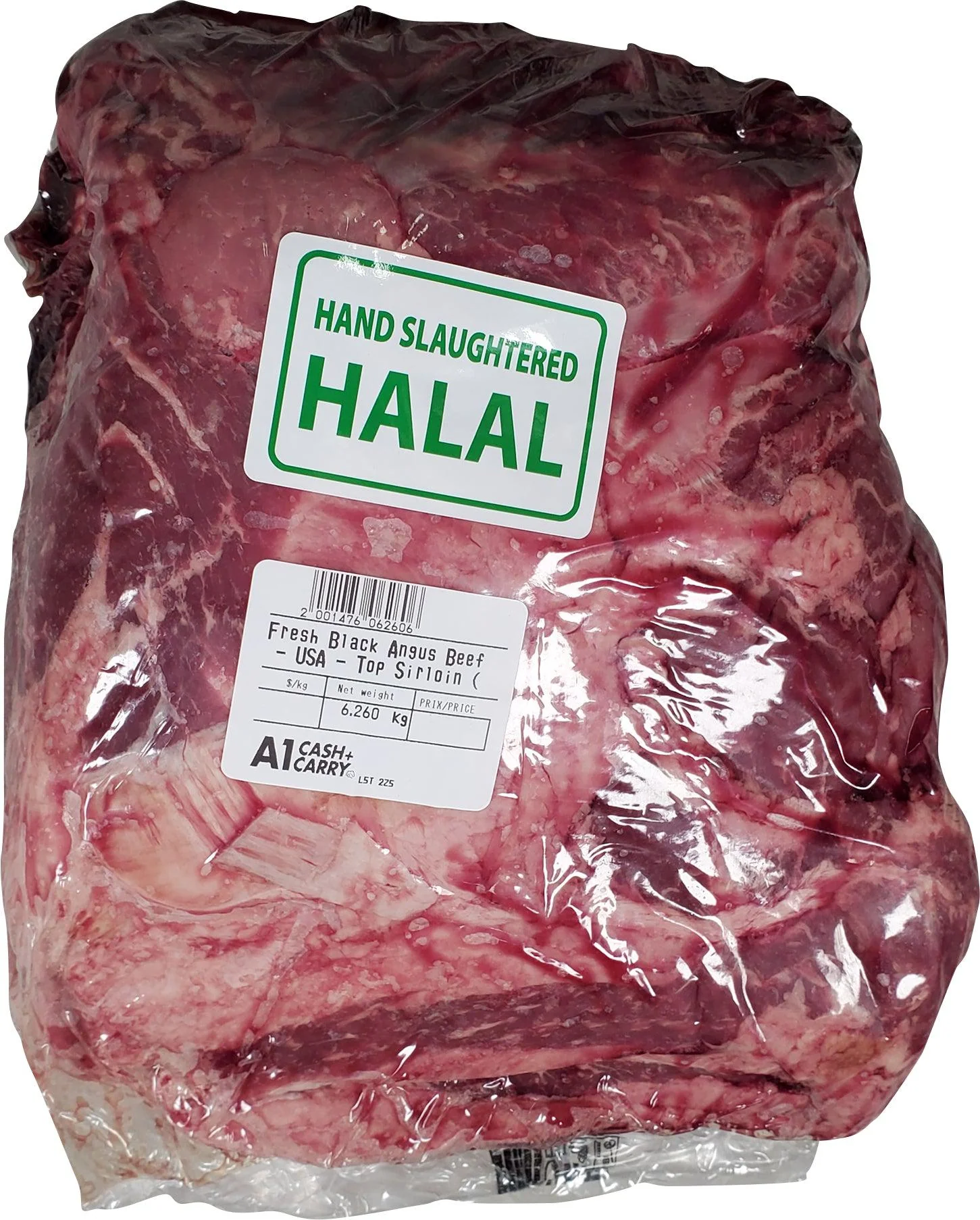
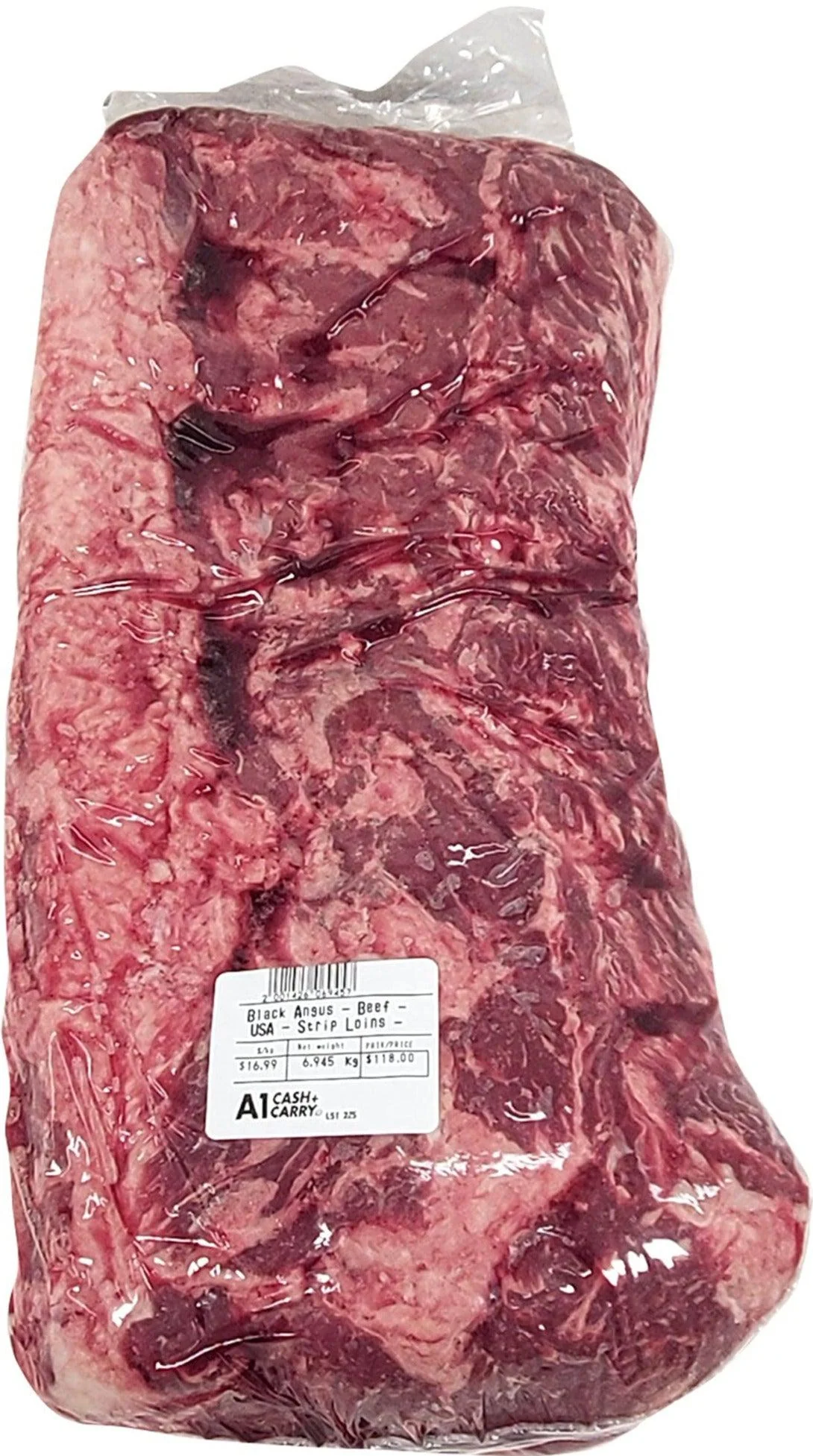
Fresh Black Angus Beef Striploins – Halal are sourced from USA-raised Black Angus cattle and supplied in approximately 9 kg packs. This product is a whole striploin primal cut, supplied fresh rather than frozen, and processed under halal-certified slaughter and handling protocols.
Black Angus striploins are a widely recognised cut in commercial foodservice, known for their characteristic marbling pattern, firm texture, and suitability across a range of high-heat cooking methods. The halal designation makes this product relevant to a broad segment of the GTA foodservice and retail market, including operators serving Muslim consumers or maintaining fully halal kitchens.
About Black Angus Beef Striploins
The striploin — also referred to as the New York strip, top loin, or strip loin — is cut from the short loin section of the beef carcass. It sits along the spine of the animal and is a muscle that does relatively little work, which contributes to its tenderness relative to other cuts from the hindquarter.
Black Angus is a specific breed of cattle originating from Scotland and widely raised across North America, particularly in the United States. Angus cattle are commonly associated with consistent marbling characteristics within the commercial beef industry, making the breed a frequent specification in foodservice procurement.
USA-sourced Black Angus beef is subject to USDA oversight during processing, which is a relevant factor for operators with supplier documentation and sourcing transparency requirements.
Halal Certification and Commercial Relevance
Halal beef refers to meat processed in accordance with Islamic dietary law, which includes specific requirements around the method of slaughter, the handling of the animal, and the absence of prohibited substances in the supply chain.
For foodservice operators and retailers in the GTA — one of Canada's most diverse urban markets — sourcing halal-certified proteins is a practical business consideration rather than a niche requirement. Operators running fully halal kitchens, catering to Muslim clientele, or seeking to expand their customer base within halal-observant communities will typically specify halal certification at the point of procurement.
Buyers should request and retain halal certification documentation from their supplier to support their own internal compliance, menu labelling, or third-party audit requirements.
Common Commercial Applications
Fresh halal Black Angus striploins are used across a wide range of commercial food environments, including:
- Steakhouses and upscale casual restaurants portioning whole striploins into individual New York strip steaks for à la carte service
- Halal restaurants and grills serving beef-forward menus to Muslim consumers
- Hotels and hospitality kitchens managing banquet, buffet, or fine dining beef programs
- Catering companies preparing large-format or individually portioned beef for events, weddings, and corporate functions
- Butcher shops and halal meat retailers breaking down whole striploins for counter display and retail sale
- Grocery stores with in-store meat departments offering fresh halal Angus beef to retail customers
- Food trucks and carts specialising in halal street food concepts featuring grilled or smoked beef
- Meal kit and prepared food operations incorporating portioned striploin into ready-to-cook or ready-to-eat products
Product Characteristics
| Feature | Detail |
|---|---|
| Product Type | Whole striploin primal cut |
| Breed | Black Angus |
| Origin | USA |
| Certification | Halal |
| Pack Weight | Approximately 9 kg |
| State | Fresh (not frozen) |
| Suggested Cooking Methods | Grilling, pan-searing, broiling, roasting, reverse sear |
The 9 kg pack format is suited to operations that portion their own cuts in-house, allowing for control over steak thickness, portion weight, and trim yield. Whole striploin packs of this size are a standard procurement format for high-volume kitchens, butcher counters, and catering operations with trained prep staff.
Portioning and Preparation in Commercial Settings
Whole Black Angus striploins in the 9 kg format are typically handled as follows in professional kitchen and butcher environments:
- Trimming — Removing the fat cap to a desired thickness or trimming excess silverskin from the muscle surface
- Portioning — Cutting into individual steaks, typically ranging from 170 g (6 oz) to 340 g (12 oz) depending on service format
- Dry ageing or wet ageing — Some operations hold fresh striploin under controlled refrigeration to develop flavour and tenderness before service
- Roasting whole — Larger foodservice operations may roast striploin whole or in half sections for carving stations
- Thin slicing — Used in shawarma, stir-fry, and sandwich programs where thinly cut beef is required
Yield after trimming will vary depending on fat cap thickness and preparation specifications. Operators should account for trim loss when calculating per-portion food costs.
Why Operators Specify Black Angus Halal Beef
There are several practical reasons commercial buyers in the GTA foodservice sector regularly source halal Angus striploins:
- Market demand — The GTA has a large and growing halal-observant consumer base across multiple communities
- Menu versatility — Striploin is a highly versatile cut suitable for fine dining, casual service, catering, and retail
- Breed consistency — Angus beef is a well-recognised specification in both wholesale and consumer-facing markets
- Fresh format — Fresh (non-frozen) product is often preferred for à la carte restaurant service and premium retail programs
- In-house portioning control — Whole pack format allows kitchens to manage steak sizing, plate weight, and cost per cover
Bulk and Wholesale Buyer Considerations
For operations purchasing fresh halal Black Angus striploins in volume, the 9 kg pack format supports efficient receiving, storage, and portion planning. As a fresh perishable protein, striploin should be received under refrigeration, stored at appropriate meat storage temperatures, and used or portioned within the supplier-recommended timeframe following delivery.
Buyers managing multi-location operations or high-volume weekly beef programs should align order frequency with production schedules and refrigerated storage capacity to minimise waste. Halal certification documentation should be requested at the time of purchase and retained as part of standard supplier record-keeping practices.
This product is available for wholesale and bulk delivery across the Greater Toronto Area (GTA).
Frequently Asked Questions (FAQs)
Q: What is the difference between Black Angus beef and standard beef?
Black Angus refers to a specific cattle breed known for consistent marbling characteristics within the muscle. It is a breed specification rather than a quality grade, though Angus beef is frequently associated with USDA Choice or Prime grading in the North American market. Standard commercial beef may come from a variety of breeds without a specific breed designation.
Q: What does halal certification mean for fresh beef?
Halal certification for beef indicates that the animal was slaughtered and processed in accordance with Islamic dietary requirements. This includes the method of slaughter, the absence of prohibited substances, and adherence to specific handling protocols. Buyers should request certification documentation to confirm the certifying body and scope of the halal designation.
Q: Is this product supplied fresh or frozen?
This product is supplied fresh, not frozen. Fresh striploin should be received under refrigeration and handled according to standard raw meat storage and food safety protocols. Operators who require extended shelf life may freeze the product upon receipt, though this may affect texture in certain preparation methods.
Q: How many steaks can typically be portioned from a 9 kg striploin pack?
Yield will vary depending on trim loss and desired steak thickness. As a general commercial estimate, a 9 kg striploin pack after trimming may yield approximately 22 to 28 steaks at a 280 g to 340 g (10 oz to 12 oz) portioned weight. Operators should conduct their own yield tests to establish accurate portion costing for their specific cut specifications.
Q: Do I need special equipment to portion whole striploins in-house?
Portioning whole striploin typically requires a sharp boning or breaking knife, a sturdy butcher block surface, and trained prep staff familiar with beef fabrication. Some higher-volume operations use band saws or commercial meat slicers for consistent portioning. Proper sanitation and cold chain management during portioning are standard food safety requirements.
Q: Can this product be used for shawarma or thin-sliced beef applications?
Yes. Striploin can be thinly sliced for shawarma, stir-fry, and similar applications, though it is more commonly used as a steak cut. For high-volume thin-slice applications, some operators partially freeze the striploin before slicing to achieve consistent cut thickness on a commercial slicer.
Q: Is USA-sourced beef subject to any import documentation requirements in Canada?
Beef imported from the USA into Canada is subject to Canadian Food Inspection Agency (CFIA) import requirements. Commercial buyers should work with their supplier to confirm that all applicable import documentation, inspection records, and certification paperwork are in order at the time of purchase. This is standard practice for cross-border protein procurement.
Q: How should fresh striploin be stored upon delivery?
Fresh beef striploin should be stored in refrigeration at 0°C to 4°C (32°F to 40°F) and kept in its original vacuum packaging until portioning. FIFO (first-in, first-out) rotation is standard practice for raw protein management in commercial kitchens. Any product not used within the recommended shelf life window should be frozen promptly or discarded in accordance with food safety protocols.
Description
Fresh Halal Black Angus Beef Striploins USA - Delivery Across GTA
Product Overview
Fresh Black Angus Beef Striploins – Halal are sourced from USA-raised Black Angus cattle and supplied in approximately 9 kg packs. This product is a whole striploin primal cut, supplied fresh rather than frozen, and processed under halal-certified slaughter and handling protocols.
Black Angus striploins are a widely recognised cut in commercial foodservice, known for their characteristic marbling pattern, firm texture, and suitability across a range of high-heat cooking methods. The halal designation makes this product relevant to a broad segment of the GTA foodservice and retail market, including operators serving Muslim consumers or maintaining fully halal kitchens.
About Black Angus Beef Striploins
The striploin — also referred to as the New York strip, top loin, or strip loin — is cut from the short loin section of the beef carcass. It sits along the spine of the animal and is a muscle that does relatively little work, which contributes to its tenderness relative to other cuts from the hindquarter.
Black Angus is a specific breed of cattle originating from Scotland and widely raised across North America, particularly in the United States. Angus cattle are commonly associated with consistent marbling characteristics within the commercial beef industry, making the breed a frequent specification in foodservice procurement.
USA-sourced Black Angus beef is subject to USDA oversight during processing, which is a relevant factor for operators with supplier documentation and sourcing transparency requirements.
Halal Certification and Commercial Relevance
Halal beef refers to meat processed in accordance with Islamic dietary law, which includes specific requirements around the method of slaughter, the handling of the animal, and the absence of prohibited substances in the supply chain.
For foodservice operators and retailers in the GTA — one of Canada's most diverse urban markets — sourcing halal-certified proteins is a practical business consideration rather than a niche requirement. Operators running fully halal kitchens, catering to Muslim clientele, or seeking to expand their customer base within halal-observant communities will typically specify halal certification at the point of procurement.
Buyers should request and retain halal certification documentation from their supplier to support their own internal compliance, menu labelling, or third-party audit requirements.
Common Commercial Applications
Fresh halal Black Angus striploins are used across a wide range of commercial food environments, including:
- Steakhouses and upscale casual restaurants portioning whole striploins into individual New York strip steaks for à la carte service
- Halal restaurants and grills serving beef-forward menus to Muslim consumers
- Hotels and hospitality kitchens managing banquet, buffet, or fine dining beef programs
- Catering companies preparing large-format or individually portioned beef for events, weddings, and corporate functions
- Butcher shops and halal meat retailers breaking down whole striploins for counter display and retail sale
- Grocery stores with in-store meat departments offering fresh halal Angus beef to retail customers
- Food trucks and carts specialising in halal street food concepts featuring grilled or smoked beef
- Meal kit and prepared food operations incorporating portioned striploin into ready-to-cook or ready-to-eat products
Product Characteristics
| Feature | Detail |
|---|---|
| Product Type | Whole striploin primal cut |
| Breed | Black Angus |
| Origin | USA |
| Certification | Halal |
| Pack Weight | Approximately 9 kg |
| State | Fresh (not frozen) |
| Suggested Cooking Methods | Grilling, pan-searing, broiling, roasting, reverse sear |
The 9 kg pack format is suited to operations that portion their own cuts in-house, allowing for control over steak thickness, portion weight, and trim yield. Whole striploin packs of this size are a standard procurement format for high-volume kitchens, butcher counters, and catering operations with trained prep staff.
Portioning and Preparation in Commercial Settings
Whole Black Angus striploins in the 9 kg format are typically handled as follows in professional kitchen and butcher environments:
- Trimming — Removing the fat cap to a desired thickness or trimming excess silverskin from the muscle surface
- Portioning — Cutting into individual steaks, typically ranging from 170 g (6 oz) to 340 g (12 oz) depending on service format
- Dry ageing or wet ageing — Some operations hold fresh striploin under controlled refrigeration to develop flavour and tenderness before service
- Roasting whole — Larger foodservice operations may roast striploin whole or in half sections for carving stations
- Thin slicing — Used in shawarma, stir-fry, and sandwich programs where thinly cut beef is required
Yield after trimming will vary depending on fat cap thickness and preparation specifications. Operators should account for trim loss when calculating per-portion food costs.
Why Operators Specify Black Angus Halal Beef
There are several practical reasons commercial buyers in the GTA foodservice sector regularly source halal Angus striploins:
- Market demand — The GTA has a large and growing halal-observant consumer base across multiple communities
- Menu versatility — Striploin is a highly versatile cut suitable for fine dining, casual service, catering, and retail
- Breed consistency — Angus beef is a well-recognised specification in both wholesale and consumer-facing markets
- Fresh format — Fresh (non-frozen) product is often preferred for à la carte restaurant service and premium retail programs
- In-house portioning control — Whole pack format allows kitchens to manage steak sizing, plate weight, and cost per cover
Bulk and Wholesale Buyer Considerations
For operations purchasing fresh halal Black Angus striploins in volume, the 9 kg pack format supports efficient receiving, storage, and portion planning. As a fresh perishable protein, striploin should be received under refrigeration, stored at appropriate meat storage temperatures, and used or portioned within the supplier-recommended timeframe following delivery.
Buyers managing multi-location operations or high-volume weekly beef programs should align order frequency with production schedules and refrigerated storage capacity to minimise waste. Halal certification documentation should be requested at the time of purchase and retained as part of standard supplier record-keeping practices.
This product is available for wholesale and bulk delivery across the Greater Toronto Area (GTA).
Frequently Asked Questions (FAQs)
Q: What is the difference between Black Angus beef and standard beef?
Black Angus refers to a specific cattle breed known for consistent marbling characteristics within the muscle. It is a breed specification rather than a quality grade, though Angus beef is frequently associated with USDA Choice or Prime grading in the North American market. Standard commercial beef may come from a variety of breeds without a specific breed designation.
Q: What does halal certification mean for fresh beef?
Halal certification for beef indicates that the animal was slaughtered and processed in accordance with Islamic dietary requirements. This includes the method of slaughter, the absence of prohibited substances, and adherence to specific handling protocols. Buyers should request certification documentation to confirm the certifying body and scope of the halal designation.
Q: Is this product supplied fresh or frozen?
This product is supplied fresh, not frozen. Fresh striploin should be received under refrigeration and handled according to standard raw meat storage and food safety protocols. Operators who require extended shelf life may freeze the product upon receipt, though this may affect texture in certain preparation methods.
Q: How many steaks can typically be portioned from a 9 kg striploin pack?
Yield will vary depending on trim loss and desired steak thickness. As a general commercial estimate, a 9 kg striploin pack after trimming may yield approximately 22 to 28 steaks at a 280 g to 340 g (10 oz to 12 oz) portioned weight. Operators should conduct their own yield tests to establish accurate portion costing for their specific cut specifications.
Q: Do I need special equipment to portion whole striploins in-house?
Portioning whole striploin typically requires a sharp boning or breaking knife, a sturdy butcher block surface, and trained prep staff familiar with beef fabrication. Some higher-volume operations use band saws or commercial meat slicers for consistent portioning. Proper sanitation and cold chain management during portioning are standard food safety requirements.
Q: Can this product be used for shawarma or thin-sliced beef applications?
Yes. Striploin can be thinly sliced for shawarma, stir-fry, and similar applications, though it is more commonly used as a steak cut. For high-volume thin-slice applications, some operators partially freeze the striploin before slicing to achieve consistent cut thickness on a commercial slicer.
Q: Is USA-sourced beef subject to any import documentation requirements in Canada?
Beef imported from the USA into Canada is subject to Canadian Food Inspection Agency (CFIA) import requirements. Commercial buyers should work with their supplier to confirm that all applicable import documentation, inspection records, and certification paperwork are in order at the time of purchase. This is standard practice for cross-border protein procurement.
Q: How should fresh striploin be stored upon delivery?
Fresh beef striploin should be stored in refrigeration at 0°C to 4°C (32°F to 40°F) and kept in its original vacuum packaging until portioning. FIFO (first-in, first-out) rotation is standard practice for raw protein management in commercial kitchens. Any product not used within the recommended shelf life window should be frozen promptly or discarded in accordance with food safety protocols.