The Story
Interfold Napkins for Dispenser White 500ct | Delivering Across Canada
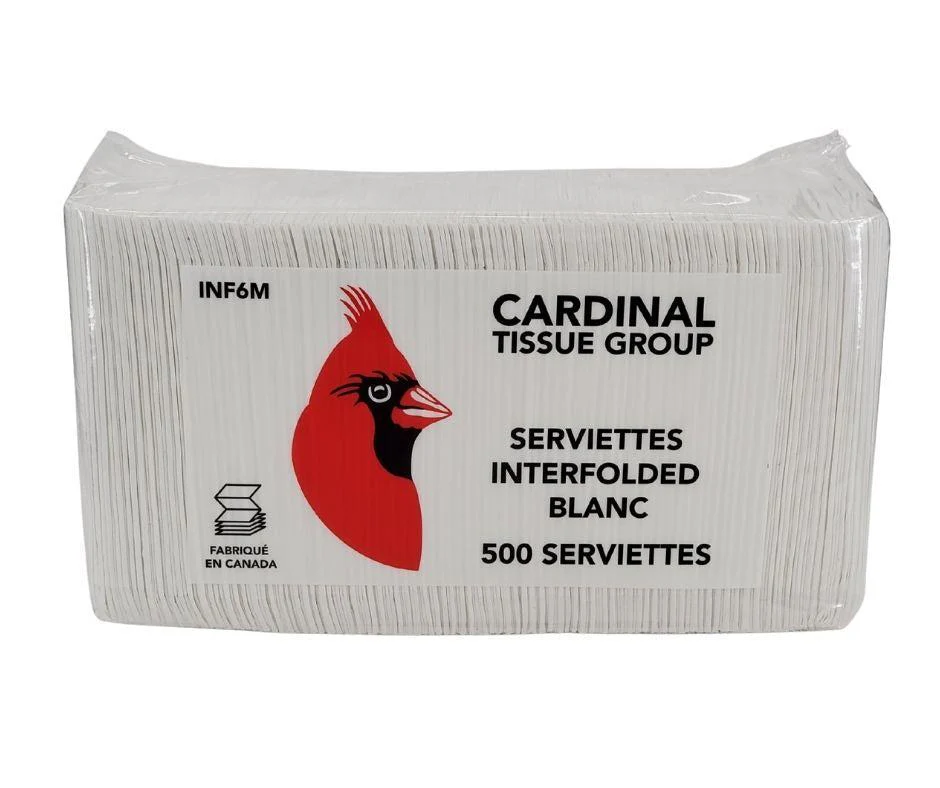
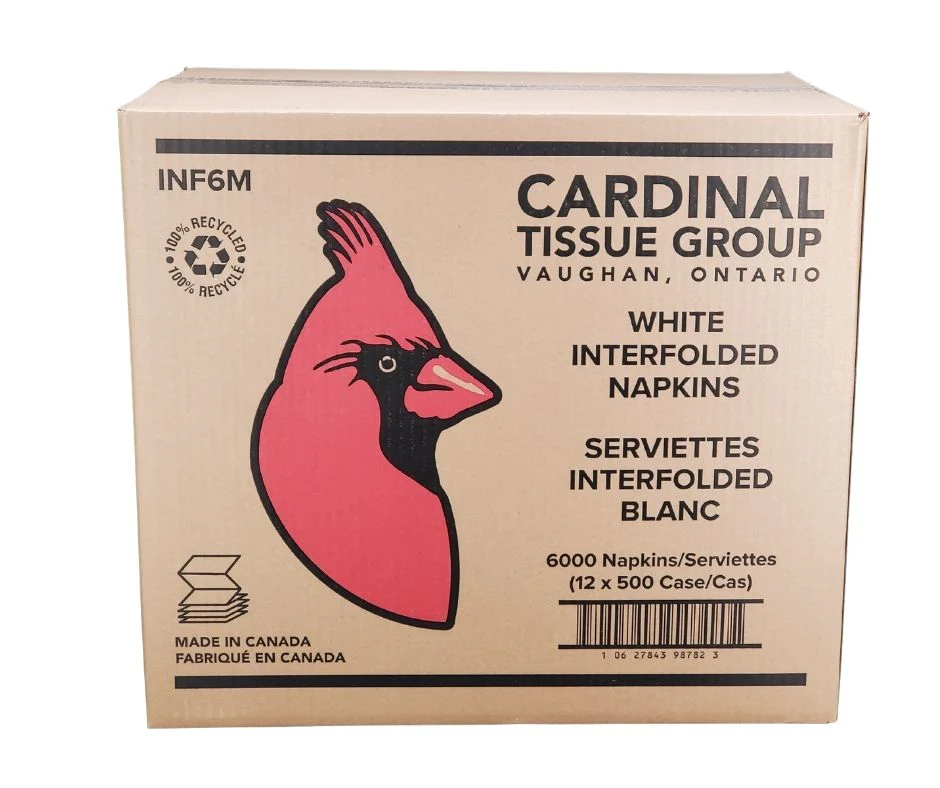
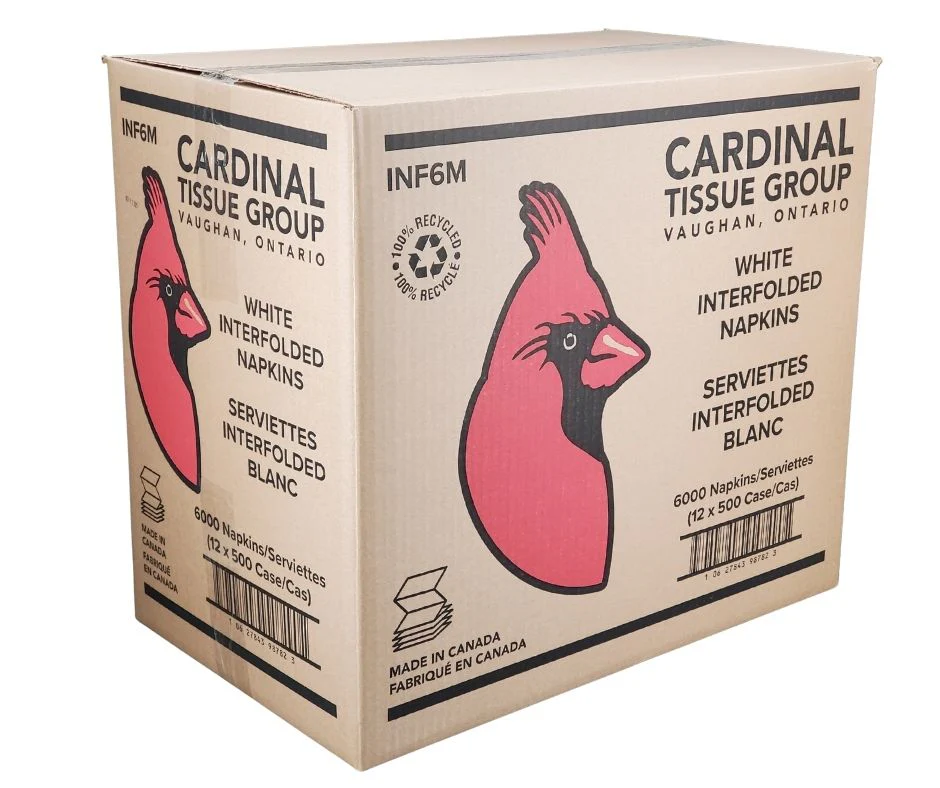
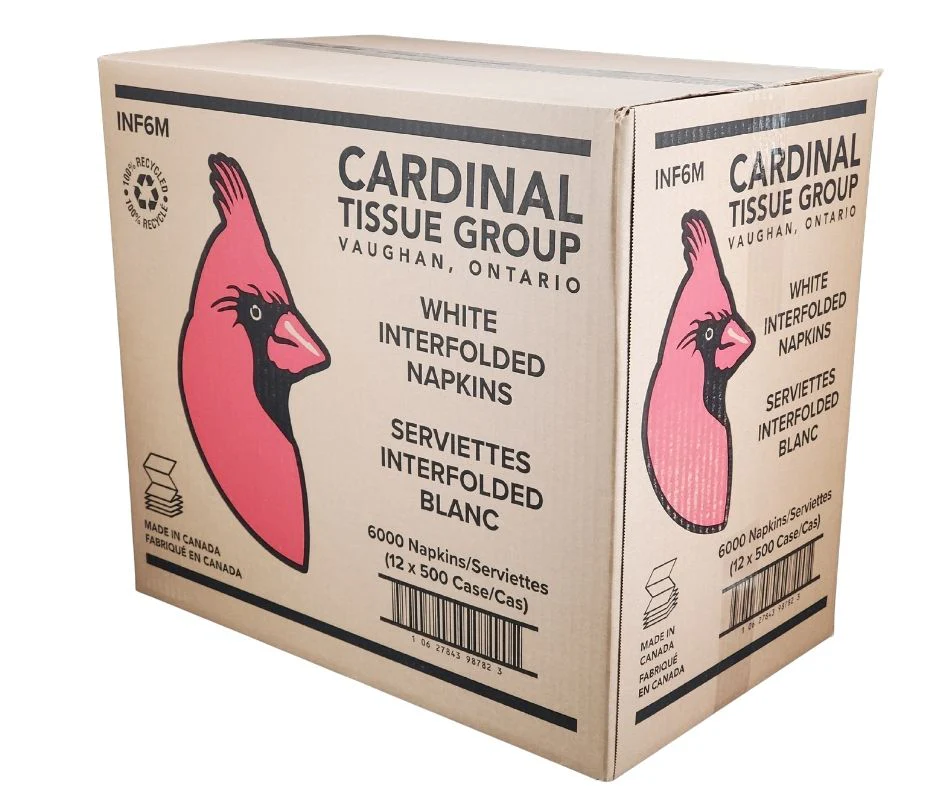
Cardinal Tissue dispenser napkins are interfold-style paper napkins available in packs of 500 napkins or cases containing 6,000 napkins (12 x 500 count packs). These white paper napkins are designed for use with compatible interfold napkin dispensers in commercial foodservice and hospitality settings. Available for delivery across Canada.
Common Commercial Applications
Restaurants, cafes, catering operations, and foodservice establishments use interfold dispenser napkins to provide customers with single-napkin dispensing at tables, counters, and service stations. The interfold design facilitates one-at-a-time dispensing to help control usage and reduce waste.
Typical users include:
- Quick-service restaurants and fast-casual dining establishments
- Coffee shops and cafes with counter service
- Food courts and shared dining spaces
- Catering companies for event setups and buffet service
- Food trucks and mobile food vendors
- Institutional cafeterias in schools, hospitals, and corporate facilities
- Convenience stores with food service areas
- Delis, bakeries, and sandwich shops
- Self-service dining areas and break rooms
- Stadium concessions and entertainment venues
Product Specifications and Characteristics
Packaging specifications:
- Count per pack: 500 napkins
- Case quantity: 12 packs (6,000 total napkins)
- Color: White
- Format: Interfold (also called interfolded or pop-up style)
- Material: Paper tissue
Functional characteristics:
- Interfold design allows napkins to be pulled one at a time from dispenser
- Each napkin partially pulls the next napkin into dispensing position
- Requires compatible interfold napkin dispenser
- Single-ply or multi-ply construction (verify with product specifications)
- Absorbent paper material suitable for general dining use
The interfold format differs from traditional stacked napkins by the way each napkin is folded and positioned to facilitate sequential dispensing.
Interfold Napkin Dispensing System
The interfold design provides specific operational advantages:
Dispensing mechanism:
- Napkins are folded and interlocked so pulling one napkin advances the next
- "Pop-up" style presentation keeps next napkin ready
- Reduces likelihood of multiple napkins being grabbed at once
- Works with countertop, wall-mounted, or tabletop dispensers
Operational benefits:
- Controlled dispensing helps manage napkin consumption
- One-at-a-time access reduces waste compared to open napkin holders
- Napkins remain enclosed in dispenser, protecting from contamination
- Consistent presentation across multiple service stations
- Easy for staff to monitor and refill
Dispenser Compatibility
Interfold napkins require compatible dispensers:
Dispenser types:
- Countertop interfold napkin dispensers
- Wall-mounted interfold dispensers
- Tabletop interfold holders
- Built-in dispensers at service counters
Compatibility considerations:
- Verify napkin size matches dispenser specifications
- Some dispensers accommodate multiple napkin sizes
- Dispenser brand and model determine fit
- Interfold format is distinct from tall-fold or standard folded napkins
Operations should confirm dispenser compatibility before purchasing to ensure proper fit and function.
Storage and Handling
Proper storage maintains napkin quality:
- Store in cool, dry locations away from moisture
- Keep napkins in original packaging until use
- Protect from direct contact with water or liquids
- Avoid storage in humid environments
- Elevated storage prevents ground moisture contact
- Implement first-in, first-out rotation
- Keep away from strong odors as paper can absorb scents
Handling considerations:
- Cases contain multiple packs for easy inventory management
- Individual 500-count packs facilitate dispenser refilling
- Paper products are lightweight but can be bulky
- Protect from crushing or compression during storage
Operational Considerations for Commercial Buyers
Businesses using interfold dispenser napkins should account for several practical factors:
Usage calculation: Estimate daily napkin consumption based on customer count and service style
Inventory planning: Calculate refill frequency for each dispenser location
Dispenser placement: Position dispensers at convenient locations for customer access without overcrowding
Cost management: Monitor usage patterns to balance availability with waste reduction
Refill protocols: Train staff on proper dispenser loading to prevent jams or improper dispensing
Environmental considerations: Assess disposal and recycling options for used napkins based on local waste management
Branding assessment: White napkins provide a neutral appearance; consider custom printed napkins for branding needs
Pack and Case Quantity Considerations
500-count pack:
- Suitable for individual dispenser refills
- Easier to manage inventory by location
- Fits standard dispenser capacities
- Allows testing of product before larger commitment
Case of 6,000 (12 x 500):
- Cost efficiency through bulk purchasing
- Reduces reorder frequency
- Appropriate for multi-location operations or high-volume establishments
- Requires adequate dry storage space
- Supports operations with multiple dispenser locations
Interfold vs. Other Napkin Formats
Understanding napkin format differences helps in product selection:
Interfold napkins:
- One-at-a-time dispensing mechanism
- Requires specific dispenser type
- Controlled usage and reduced waste
- Protected from contamination in dispenser
Tall-fold dispenser napkins:
- Different fold style for vertical dispensers
- May fit different dispenser models
- Alternative controlled dispensing option
Standard folded napkins:
- Traditional napkins in open holders or wrapped sets
- No specific dispenser required
- Multiple napkins may be taken at once
- Different cost per napkin typically
Many operations use interfold napkins for self-service areas and standard napkins for table service.
Frequently Asked Questions
1. What size are Cardinal Tissue interfold dispenser napkins?
Napkin dimensions vary by product line. Common interfold napkin sizes range from 6.5" x 8" to 7" x 13.5" when unfolded. Verify specific dimensions with product specifications to ensure dispenser compatibility.
2. Do these napkins work with all napkin dispensers?
No, interfold napkins require dispensers specifically designed for interfold format napkins. They will not work properly in tall-fold dispensers or standard napkin holders. Check dispenser compatibility before purchasing.
3. How many napkins does each dispenser hold?
Dispenser capacity varies by model and manufacturer. Typical interfold dispensers hold between 150-500 napkins. Check your specific dispenser specifications for accurate capacity.
4. Are these napkins recyclable or compostable?
Paper napkins are generally compostable in facilities that accept food-soiled paper products. Recycling acceptance for used napkins varies by municipality. Check with local waste management for specific guidance.
5. How do I prevent napkin jams in the dispenser?
Proper loading is essential. Follow dispenser manufacturer instructions for loading. Ensure napkins are not compressed too tightly and the interfold mechanism can function. Regular cleaning of dispenser also helps prevent issues.
6. What is the difference between single-ply and multi-ply napkins?
Single-ply napkins have one layer of paper; multi-ply have two or more layers bonded together. Multi-ply napkins generally offer greater absorbency and strength. Verify ply count with product specifications.
7. How many napkins do I need per customer?
Usage varies by service style and food type. Quick-service operations average 2-3 napkins per customer. Monitor actual usage to determine appropriate stocking levels.
8. Can I use these napkins without a dispenser?
Interfold napkins are designed for dispenser use. While they can technically be used without a dispenser, the interfold format loses its functional advantage and may be less convenient than standard napkins.
9. How long do paper napkins last in storage?
When stored properly in dry conditions, paper napkins maintain quality for extended periods. Protect from moisture, humidity, and contamination for optimal shelf life.
10. Are white napkins better than brown/kraft napkins?
Neither color is objectively better—the choice depends on aesthetic preferences, branding considerations, and environmental positioning. White napkins offer a traditional, clean appearance while brown/kraft napkins may appeal to eco-conscious branding.
Businesses purchasing Cardinal Tissue interfold dispenser napkins should evaluate dispenser compatibility, typical customer volume, storage capacity, and refill logistics. The 500-count packs facilitate regular dispenser maintenance, while the 6,000-napkin cases suit operations with multiple locations or high traffic. Confirming dispenser specifications, establishing refill schedules, and training staff on proper loading techniques helps maintain consistent napkin availability and operational efficiency across Canadian foodservice establishments.
Details & Craftsmanship
Every detail has been carefully considered to bring you the perfect product.
Details & Craftsmanship
Every detail has been carefully considered to bring you the perfect product.
Details & Craftsmanship
Every detail has been carefully considered to bring you the perfect product.
Description
Interfold Napkins for Dispenser White 500ct | Delivering Across Canada
Cardinal Tissue dispenser napkins are interfold-style paper napkins available in packs of 500 napkins or cases containing 6,000 napkins (12 x 500 count packs). These white paper napkins are designed for use with compatible interfold napkin dispensers in commercial foodservice and hospitality settings. Available for delivery across Canada.
Common Commercial Applications
Restaurants, cafes, catering operations, and foodservice establishments use interfold dispenser napkins to provide customers with single-napkin dispensing at tables, counters, and service stations. The interfold design facilitates one-at-a-time dispensing to help control usage and reduce waste.
Typical users include:
- Quick-service restaurants and fast-casual dining establishments
- Coffee shops and cafes with counter service
- Food courts and shared dining spaces
- Catering companies for event setups and buffet service
- Food trucks and mobile food vendors
- Institutional cafeterias in schools, hospitals, and corporate facilities
- Convenience stores with food service areas
- Delis, bakeries, and sandwich shops
- Self-service dining areas and break rooms
- Stadium concessions and entertainment venues
Product Specifications and Characteristics
Packaging specifications:
- Count per pack: 500 napkins
- Case quantity: 12 packs (6,000 total napkins)
- Color: White
- Format: Interfold (also called interfolded or pop-up style)
- Material: Paper tissue
Functional characteristics:
- Interfold design allows napkins to be pulled one at a time from dispenser
- Each napkin partially pulls the next napkin into dispensing position
- Requires compatible interfold napkin dispenser
- Single-ply or multi-ply construction (verify with product specifications)
- Absorbent paper material suitable for general dining use
The interfold format differs from traditional stacked napkins by the way each napkin is folded and positioned to facilitate sequential dispensing.
Interfold Napkin Dispensing System
The interfold design provides specific operational advantages:
Dispensing mechanism:
- Napkins are folded and interlocked so pulling one napkin advances the next
- "Pop-up" style presentation keeps next napkin ready
- Reduces likelihood of multiple napkins being grabbed at once
- Works with countertop, wall-mounted, or tabletop dispensers
Operational benefits:
- Controlled dispensing helps manage napkin consumption
- One-at-a-time access reduces waste compared to open napkin holders
- Napkins remain enclosed in dispenser, protecting from contamination
- Consistent presentation across multiple service stations
- Easy for staff to monitor and refill
Dispenser Compatibility
Interfold napkins require compatible dispensers:
Dispenser types:
- Countertop interfold napkin dispensers
- Wall-mounted interfold dispensers
- Tabletop interfold holders
- Built-in dispensers at service counters
Compatibility considerations:
- Verify napkin size matches dispenser specifications
- Some dispensers accommodate multiple napkin sizes
- Dispenser brand and model determine fit
- Interfold format is distinct from tall-fold or standard folded napkins
Operations should confirm dispenser compatibility before purchasing to ensure proper fit and function.
Storage and Handling
Proper storage maintains napkin quality:
- Store in cool, dry locations away from moisture
- Keep napkins in original packaging until use
- Protect from direct contact with water or liquids
- Avoid storage in humid environments
- Elevated storage prevents ground moisture contact
- Implement first-in, first-out rotation
- Keep away from strong odors as paper can absorb scents
Handling considerations:
- Cases contain multiple packs for easy inventory management
- Individual 500-count packs facilitate dispenser refilling
- Paper products are lightweight but can be bulky
- Protect from crushing or compression during storage
Operational Considerations for Commercial Buyers
Businesses using interfold dispenser napkins should account for several practical factors:
Usage calculation: Estimate daily napkin consumption based on customer count and service style
Inventory planning: Calculate refill frequency for each dispenser location
Dispenser placement: Position dispensers at convenient locations for customer access without overcrowding
Cost management: Monitor usage patterns to balance availability with waste reduction
Refill protocols: Train staff on proper dispenser loading to prevent jams or improper dispensing
Environmental considerations: Assess disposal and recycling options for used napkins based on local waste management
Branding assessment: White napkins provide a neutral appearance; consider custom printed napkins for branding needs
Pack and Case Quantity Considerations
500-count pack:
- Suitable for individual dispenser refills
- Easier to manage inventory by location
- Fits standard dispenser capacities
- Allows testing of product before larger commitment
Case of 6,000 (12 x 500):
- Cost efficiency through bulk purchasing
- Reduces reorder frequency
- Appropriate for multi-location operations or high-volume establishments
- Requires adequate dry storage space
- Supports operations with multiple dispenser locations
Interfold vs. Other Napkin Formats
Understanding napkin format differences helps in product selection:
Interfold napkins:
- One-at-a-time dispensing mechanism
- Requires specific dispenser type
- Controlled usage and reduced waste
- Protected from contamination in dispenser
Tall-fold dispenser napkins:
- Different fold style for vertical dispensers
- May fit different dispenser models
- Alternative controlled dispensing option
Standard folded napkins:
- Traditional napkins in open holders or wrapped sets
- No specific dispenser required
- Multiple napkins may be taken at once
- Different cost per napkin typically
Many operations use interfold napkins for self-service areas and standard napkins for table service.
Frequently Asked Questions
1. What size are Cardinal Tissue interfold dispenser napkins?
Napkin dimensions vary by product line. Common interfold napkin sizes range from 6.5" x 8" to 7" x 13.5" when unfolded. Verify specific dimensions with product specifications to ensure dispenser compatibility.
2. Do these napkins work with all napkin dispensers?
No, interfold napkins require dispensers specifically designed for interfold format napkins. They will not work properly in tall-fold dispensers or standard napkin holders. Check dispenser compatibility before purchasing.
3. How many napkins does each dispenser hold?
Dispenser capacity varies by model and manufacturer. Typical interfold dispensers hold between 150-500 napkins. Check your specific dispenser specifications for accurate capacity.
4. Are these napkins recyclable or compostable?
Paper napkins are generally compostable in facilities that accept food-soiled paper products. Recycling acceptance for used napkins varies by municipality. Check with local waste management for specific guidance.
5. How do I prevent napkin jams in the dispenser?
Proper loading is essential. Follow dispenser manufacturer instructions for loading. Ensure napkins are not compressed too tightly and the interfold mechanism can function. Regular cleaning of dispenser also helps prevent issues.
6. What is the difference between single-ply and multi-ply napkins?
Single-ply napkins have one layer of paper; multi-ply have two or more layers bonded together. Multi-ply napkins generally offer greater absorbency and strength. Verify ply count with product specifications.
7. How many napkins do I need per customer?
Usage varies by service style and food type. Quick-service operations average 2-3 napkins per customer. Monitor actual usage to determine appropriate stocking levels.
8. Can I use these napkins without a dispenser?
Interfold napkins are designed for dispenser use. While they can technically be used without a dispenser, the interfold format loses its functional advantage and may be less convenient than standard napkins.
9. How long do paper napkins last in storage?
When stored properly in dry conditions, paper napkins maintain quality for extended periods. Protect from moisture, humidity, and contamination for optimal shelf life.
10. Are white napkins better than brown/kraft napkins?
Neither color is objectively better—the choice depends on aesthetic preferences, branding considerations, and environmental positioning. White napkins offer a traditional, clean appearance while brown/kraft napkins may appeal to eco-conscious branding.
Businesses purchasing Cardinal Tissue interfold dispenser napkins should evaluate dispenser compatibility, typical customer volume, storage capacity, and refill logistics. The 500-count packs facilitate regular dispenser maintenance, while the 6,000-napkin cases suit operations with multiple locations or high traffic. Confirming dispenser specifications, establishing refill schedules, and training staff on proper loading techniques helps maintain consistent napkin availability and operational efficiency across Canadian foodservice establishments.