The Story
Bulk Purple Cabbage – Fresh, Crisp & Ready for Your Kitchen
Product Overview
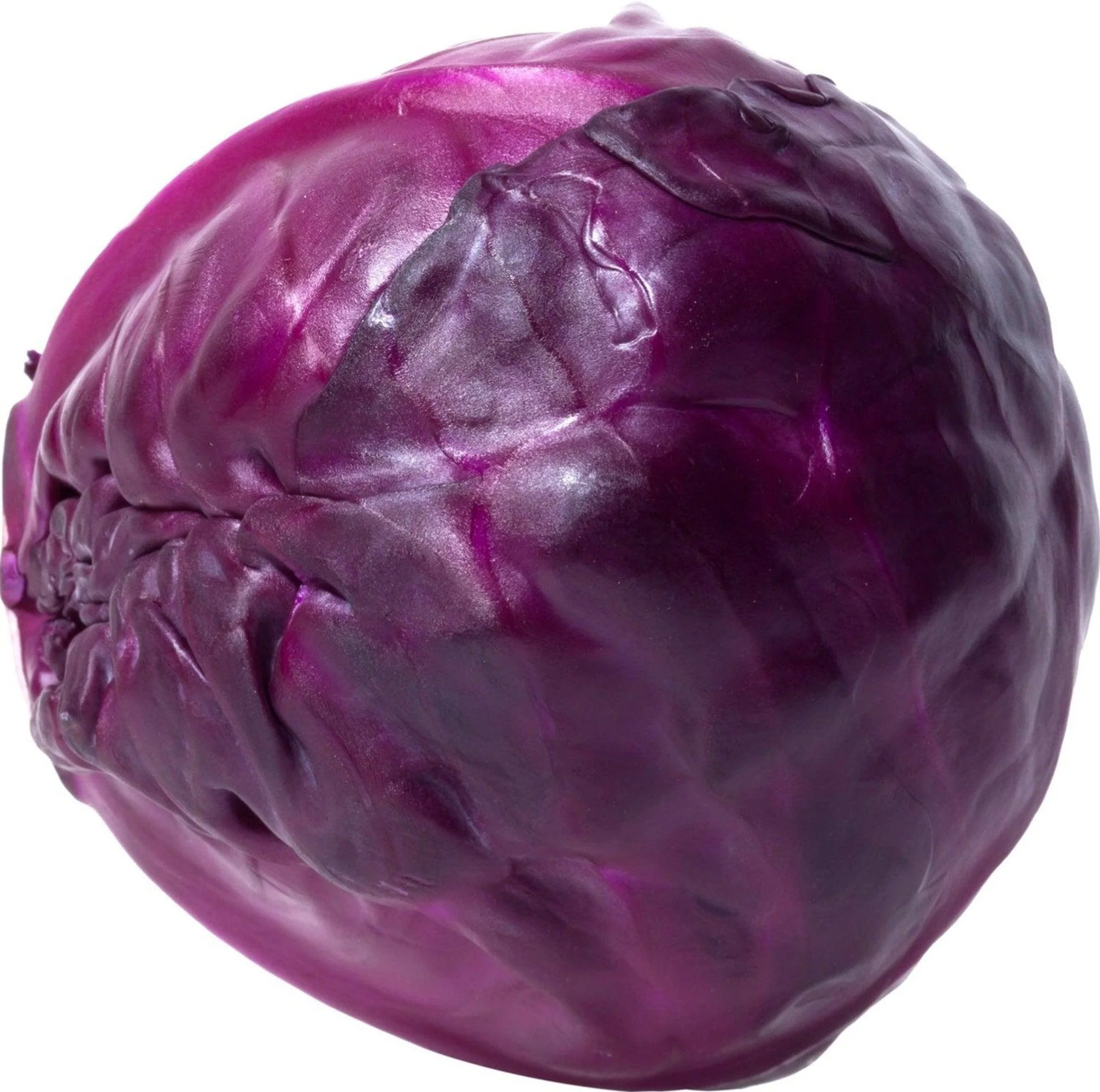
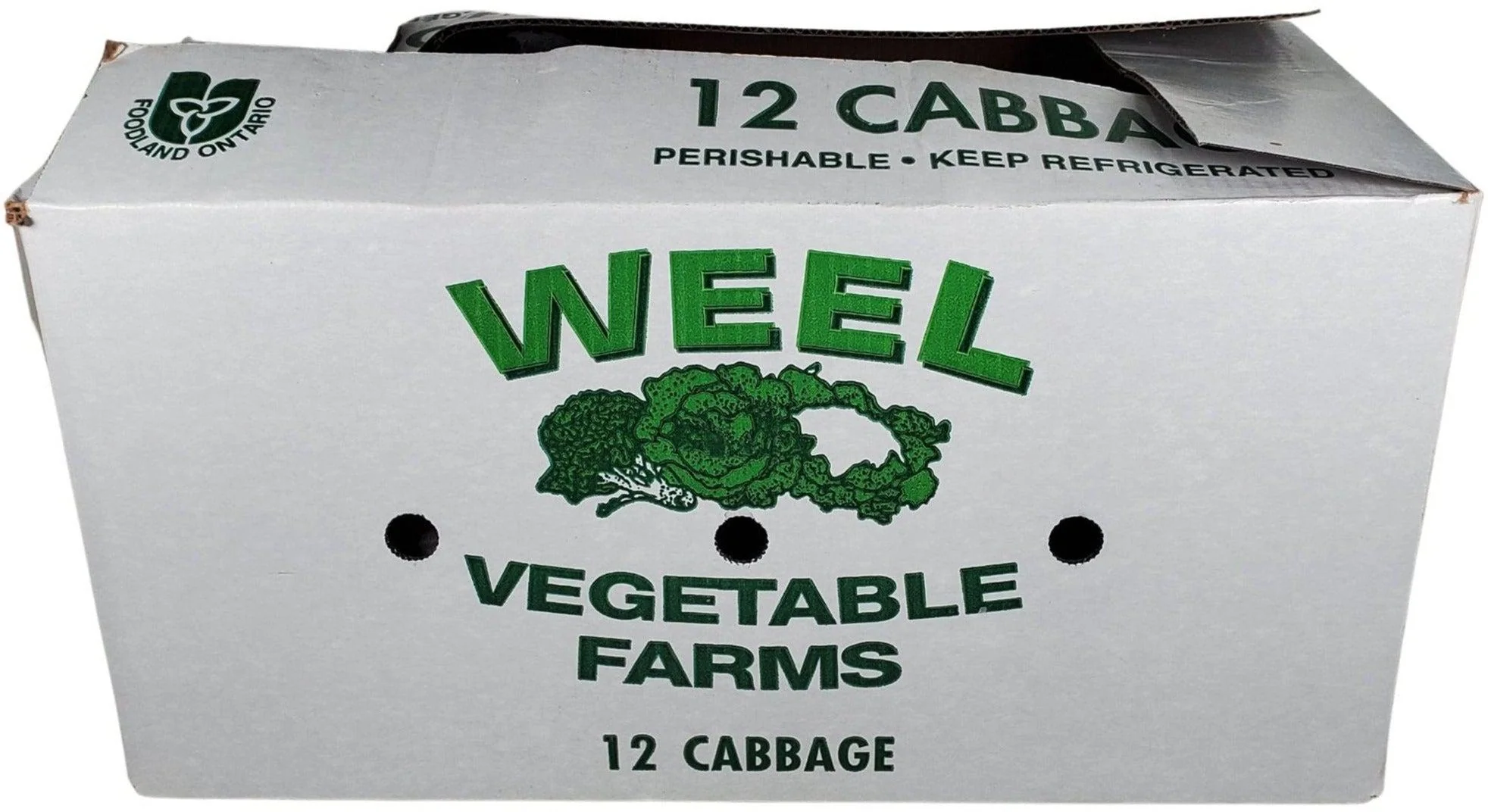
Fresh Red/Purple Cabbage is a whole, raw brassica vegetable supplied individually (1 ct) or in cases of 12 heads, making it a practical fresh produce option for commercial kitchens, foodservice operations, and retail environments across the Greater Toronto Area. The deep violet-red colouring of this cabbage variety is a distinguishing characteristic that sets it apart from green cabbage in both visual presentation and culinary application.
Red and purple cabbage are the same variety — the colour can appear more red or more purple depending on the soil pH of the growing region and lighting conditions. In commercial food settings, both names refer to the same product and are used interchangeably.
What Is Fresh Red/Purple Cabbage?
Red/purple cabbage (Brassica oleracea var. capitata f. rubra) is a dense, tightly packed leafy vegetable with a firm head and smooth, waxy outer leaves. The interior leaves carry the same deep reddish-purple pigmentation throughout, which is retained in raw preparations and partially transformed — sometimes turning blue or purple — when exposed to heat or alkaline cooking environments.
This variety has a slightly more robust, peppery flavour compared to green cabbage, and a firmer leaf texture that holds up well in both raw and cooked applications. It is a staple ingredient across a broad range of cuisines, including European, South Asian, East Asian, Latin American, and North American cooking traditions.
Common Commercial Applications
Fresh red/purple cabbage is used in a wide variety of professional food preparation contexts, including:
- Restaurants and full-service kitchens using it raw in slaws, salads, and garnishes, or cooked in braised dishes, stir-fries, and soups
- Delis and sandwich counters incorporating thinly sliced purple cabbage into wraps, sandwiches, and composed salads
- Juice bars and cafés using raw cabbage in cold-pressed juices, detox blends, and wellness-focused menu items
- Catering operations requiring large-volume produce for buffet salads, composed plates, and batch cooking
- Food trucks and carts using it as a fresh topping or slaw component in tacos, bowls, and street-food style offerings
- Grocery retailers and produce sections stocking whole heads for direct consumer sale
- Meal kit and prepared food manufacturers incorporating shredded red cabbage into pre-portioned salad or slaw components
- Hotels and hospitality kitchens using it in buffet, banquet, and à la carte preparations
Product Characteristics
| Feature | Detail |
|---|---|
| Product Type | Fresh whole red/purple cabbage head |
| Pack Options | 1 ct (individual) / Case of 12 ct |
| Form | Raw, whole head |
| Colour | Deep red to violet-purple throughout |
| Texture | Firm, dense, waxy outer leaves |
| Common Names | Red cabbage, purple cabbage, braising cabbage |
The case format of 12 heads is suited to operations with consistent weekly usage, supporting better cost management and reducing the frequency of individual produce orders. The individual unit option allows smaller operations or those with variable volume needs to purchase accordingly.
Culinary Uses and Preparation in Commercial Settings
Red/purple cabbage is a versatile ingredient that can be prepared using several methods depending on the intended application:
- Raw shredding or slicing — used in coleslaws, salads, grain bowls, and garnishes where colour contrast and crunch are desired
- Braising — a traditional preparation in German and Eastern European cuisines, typically slow-cooked with vinegar, apple, and aromatics
- Stir-frying — common in Asian-influenced kitchens where quick, high-heat cooking preserves some texture
- Pickling and fermenting — used to produce pickled red cabbage, curtido, and similar condiments served alongside proteins or in sandwiches
- Juicing — raw purple cabbage is used in commercial cold-press juice programs
- Roasting — thick-cut cabbage wedges are roasted as a vegetable side in contemporary foodservice menus
- Soup and stew applications — added to borscht, ribollita, and other hearty preparations
One practical note for kitchen operators: the natural pigments in red/purple cabbage can transfer to other ingredients and surfaces during preparation. Adding an acidic ingredient such as vinegar or citrus juice to raw preparations helps stabilise the colour and prevent it from turning blue-grey during cooking.
Why Foodservice Operators Source Red/Purple Cabbage
There are several practical reasons commercial operations regularly incorporate fresh red/purple cabbage into their produce orders:
- Visual appeal — The deep colour provides strong contrast in plated dishes and prepared food displays
- Structural integrity — Firm leaf texture holds up during shredding, transport, and cold holding without wilting quickly
- Versatility — Usable raw, cooked, pickled, or juiced across a range of menu applications
- Shelf life — Whole heads of cabbage generally have a longer refrigerated shelf life compared to many other fresh leafy vegetables, supporting extended use from a single delivery
- Yield efficiency — Dense, compact heads offer strong usable yield relative to weight
- Cost-effectiveness — Cabbage price relative to yield makes it a practical fresh produce choice for high-volume kitchens
Bulk and Wholesale Buyer Considerations
For foodservice operators and retailers purchasing red/purple cabbage through wholesale channels, the case format of 12 heads supports volume purchasing aligned with weekly production schedules. Whole cabbage heads store well under refrigeration, typically between 0°C and 4°C, and should be kept dry and away from ethylene-producing fruits to maintain firmness and colour.
Buyers are encouraged to confirm current pricing, availability, and lead times when planning orders, as fresh produce pricing can fluctuate seasonally. Operations with consistent high-volume usage may benefit from establishing a regular delivery schedule to support produce rotation and minimise waste.
This product is available for wholesale and bulk delivery across the Greater Toronto Area (GTA).
Frequently Asked Questions (FAQs)
Q: What is the difference between red cabbage and purple cabbage?
Red cabbage and purple cabbage are the same vegetable variety. The colour can lean more red or more purple depending on the acidity of the soil in which it was grown. Both names refer to Brassica oleracea var. capitata f. rubra, and the terms are used interchangeably in commercial produce supply.
Q: How should fresh whole cabbage heads be stored in a commercial kitchen?
Whole red/purple cabbage heads should be stored in refrigeration at approximately 0°C to 4°C. Keeping the outer leaves intact until use helps protect the inner leaves and extend shelf life. Cabbage absorbs odours readily, so storage away from strong-smelling produce or open containers is advisable. First-in, first-out rotation is standard practice.
Q: How long does fresh red/purple cabbage last in refrigerated storage?
Whole, uncut heads of red/purple cabbage generally maintain quality for several weeks under proper refrigeration when stored with the outer leaves intact. Once cut or shredded, cabbage should be used within a few days and kept covered to prevent moisture loss and colour oxidation.
Q: Why does red/purple cabbage turn blue or grey when cooked?
The pigment responsible for the red-purple colour in this cabbage variety is sensitive to pH. In alkaline or neutral cooking environments, the pigment can shift toward blue or grey tones. Adding an acidic ingredient — such as vinegar, lemon juice, or wine — to the cooking liquid helps preserve the red-purple colour in cooked preparations.
Q: Can red/purple cabbage be used in juice programs?
Yes. Raw red and purple cabbage is used in commercial cold-press juice operations and wellness beverage programs. It is typically juiced alongside other vegetables and fruits. Operators should note that the pigment is highly concentrated and can stain equipment and surfaces.
Q: What is the typical yield from a whole head of red/purple cabbage after trimming?
After removing the outer leaves and core, a whole cabbage head typically yields approximately 75–85% usable shredded or sliced product, depending on head size and the extent of trimming required. This should be factored into recipe costing and portion planning.
Q: Is fresh red/purple cabbage available year-round for GTA buyers?
Red/purple cabbage is generally available throughout the year, though growing regions and supply volumes may shift seasonally. Buyers are encouraged to confirm current availability and cabbage pricing at the time of ordering, particularly during off-season periods or when planning for high-volume events.
Q: What unit options are available when ordering fresh red/purple cabbage wholesale?
This product is available as individual heads (1 ct) for smaller operations or variable-volume purchasing, and in cases of 12 heads for higher-volume buyers. Operators can align their order format with their weekly usage and storage capacity.
Details & Craftsmanship
Every detail has been carefully considered to bring you the perfect product.
Description
Bulk Purple Cabbage – Fresh, Crisp & Ready for Your Kitchen
Product Overview
Fresh Red/Purple Cabbage is a whole, raw brassica vegetable supplied individually (1 ct) or in cases of 12 heads, making it a practical fresh produce option for commercial kitchens, foodservice operations, and retail environments across the Greater Toronto Area. The deep violet-red colouring of this cabbage variety is a distinguishing characteristic that sets it apart from green cabbage in both visual presentation and culinary application.
Red and purple cabbage are the same variety — the colour can appear more red or more purple depending on the soil pH of the growing region and lighting conditions. In commercial food settings, both names refer to the same product and are used interchangeably.
What Is Fresh Red/Purple Cabbage?
Red/purple cabbage (Brassica oleracea var. capitata f. rubra) is a dense, tightly packed leafy vegetable with a firm head and smooth, waxy outer leaves. The interior leaves carry the same deep reddish-purple pigmentation throughout, which is retained in raw preparations and partially transformed — sometimes turning blue or purple — when exposed to heat or alkaline cooking environments.
This variety has a slightly more robust, peppery flavour compared to green cabbage, and a firmer leaf texture that holds up well in both raw and cooked applications. It is a staple ingredient across a broad range of cuisines, including European, South Asian, East Asian, Latin American, and North American cooking traditions.
Common Commercial Applications
Fresh red/purple cabbage is used in a wide variety of professional food preparation contexts, including:
- Restaurants and full-service kitchens using it raw in slaws, salads, and garnishes, or cooked in braised dishes, stir-fries, and soups
- Delis and sandwich counters incorporating thinly sliced purple cabbage into wraps, sandwiches, and composed salads
- Juice bars and cafés using raw cabbage in cold-pressed juices, detox blends, and wellness-focused menu items
- Catering operations requiring large-volume produce for buffet salads, composed plates, and batch cooking
- Food trucks and carts using it as a fresh topping or slaw component in tacos, bowls, and street-food style offerings
- Grocery retailers and produce sections stocking whole heads for direct consumer sale
- Meal kit and prepared food manufacturers incorporating shredded red cabbage into pre-portioned salad or slaw components
- Hotels and hospitality kitchens using it in buffet, banquet, and à la carte preparations
Product Characteristics
| Feature | Detail |
|---|---|
| Product Type | Fresh whole red/purple cabbage head |
| Pack Options | 1 ct (individual) / Case of 12 ct |
| Form | Raw, whole head |
| Colour | Deep red to violet-purple throughout |
| Texture | Firm, dense, waxy outer leaves |
| Common Names | Red cabbage, purple cabbage, braising cabbage |
The case format of 12 heads is suited to operations with consistent weekly usage, supporting better cost management and reducing the frequency of individual produce orders. The individual unit option allows smaller operations or those with variable volume needs to purchase accordingly.
Culinary Uses and Preparation in Commercial Settings
Red/purple cabbage is a versatile ingredient that can be prepared using several methods depending on the intended application:
- Raw shredding or slicing — used in coleslaws, salads, grain bowls, and garnishes where colour contrast and crunch are desired
- Braising — a traditional preparation in German and Eastern European cuisines, typically slow-cooked with vinegar, apple, and aromatics
- Stir-frying — common in Asian-influenced kitchens where quick, high-heat cooking preserves some texture
- Pickling and fermenting — used to produce pickled red cabbage, curtido, and similar condiments served alongside proteins or in sandwiches
- Juicing — raw purple cabbage is used in commercial cold-press juice programs
- Roasting — thick-cut cabbage wedges are roasted as a vegetable side in contemporary foodservice menus
- Soup and stew applications — added to borscht, ribollita, and other hearty preparations
One practical note for kitchen operators: the natural pigments in red/purple cabbage can transfer to other ingredients and surfaces during preparation. Adding an acidic ingredient such as vinegar or citrus juice to raw preparations helps stabilise the colour and prevent it from turning blue-grey during cooking.
Why Foodservice Operators Source Red/Purple Cabbage
There are several practical reasons commercial operations regularly incorporate fresh red/purple cabbage into their produce orders:
- Visual appeal — The deep colour provides strong contrast in plated dishes and prepared food displays
- Structural integrity — Firm leaf texture holds up during shredding, transport, and cold holding without wilting quickly
- Versatility — Usable raw, cooked, pickled, or juiced across a range of menu applications
- Shelf life — Whole heads of cabbage generally have a longer refrigerated shelf life compared to many other fresh leafy vegetables, supporting extended use from a single delivery
- Yield efficiency — Dense, compact heads offer strong usable yield relative to weight
- Cost-effectiveness — Cabbage price relative to yield makes it a practical fresh produce choice for high-volume kitchens
Bulk and Wholesale Buyer Considerations
For foodservice operators and retailers purchasing red/purple cabbage through wholesale channels, the case format of 12 heads supports volume purchasing aligned with weekly production schedules. Whole cabbage heads store well under refrigeration, typically between 0°C and 4°C, and should be kept dry and away from ethylene-producing fruits to maintain firmness and colour.
Buyers are encouraged to confirm current pricing, availability, and lead times when planning orders, as fresh produce pricing can fluctuate seasonally. Operations with consistent high-volume usage may benefit from establishing a regular delivery schedule to support produce rotation and minimise waste.
This product is available for wholesale and bulk delivery across the Greater Toronto Area (GTA).
Frequently Asked Questions (FAQs)
Q: What is the difference between red cabbage and purple cabbage?
Red cabbage and purple cabbage are the same vegetable variety. The colour can lean more red or more purple depending on the acidity of the soil in which it was grown. Both names refer to Brassica oleracea var. capitata f. rubra, and the terms are used interchangeably in commercial produce supply.
Q: How should fresh whole cabbage heads be stored in a commercial kitchen?
Whole red/purple cabbage heads should be stored in refrigeration at approximately 0°C to 4°C. Keeping the outer leaves intact until use helps protect the inner leaves and extend shelf life. Cabbage absorbs odours readily, so storage away from strong-smelling produce or open containers is advisable. First-in, first-out rotation is standard practice.
Q: How long does fresh red/purple cabbage last in refrigerated storage?
Whole, uncut heads of red/purple cabbage generally maintain quality for several weeks under proper refrigeration when stored with the outer leaves intact. Once cut or shredded, cabbage should be used within a few days and kept covered to prevent moisture loss and colour oxidation.
Q: Why does red/purple cabbage turn blue or grey when cooked?
The pigment responsible for the red-purple colour in this cabbage variety is sensitive to pH. In alkaline or neutral cooking environments, the pigment can shift toward blue or grey tones. Adding an acidic ingredient — such as vinegar, lemon juice, or wine — to the cooking liquid helps preserve the red-purple colour in cooked preparations.
Q: Can red/purple cabbage be used in juice programs?
Yes. Raw red and purple cabbage is used in commercial cold-press juice operations and wellness beverage programs. It is typically juiced alongside other vegetables and fruits. Operators should note that the pigment is highly concentrated and can stain equipment and surfaces.
Q: What is the typical yield from a whole head of red/purple cabbage after trimming?
After removing the outer leaves and core, a whole cabbage head typically yields approximately 75–85% usable shredded or sliced product, depending on head size and the extent of trimming required. This should be factored into recipe costing and portion planning.
Q: Is fresh red/purple cabbage available year-round for GTA buyers?
Red/purple cabbage is generally available throughout the year, though growing regions and supply volumes may shift seasonally. Buyers are encouraged to confirm current availability and cabbage pricing at the time of ordering, particularly during off-season periods or when planning for high-volume events.
Q: What unit options are available when ordering fresh red/purple cabbage wholesale?
This product is available as individual heads (1 ct) for smaller operations or variable-volume purchasing, and in cases of 12 heads for higher-volume buyers. Operators can align their order format with their weekly usage and storage capacity.