Original: $5.14
-65%$5.14
$1.80The Story
Bulk Yellow Split Peas 10lb at Wholesale Prices | Canada-wide Delivery
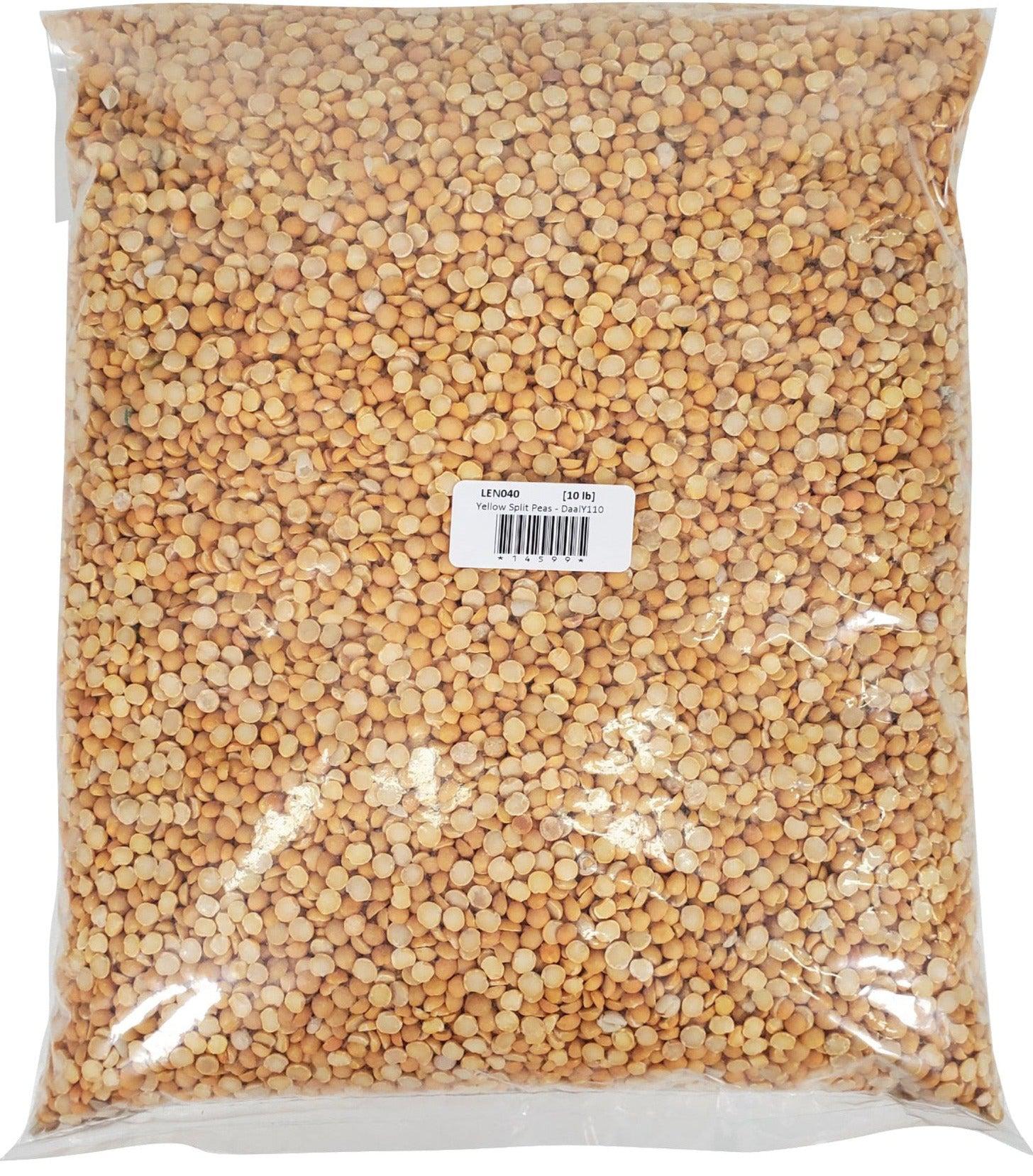
Yellow split peas are dried legumes available in 10 lb packages for commercial foodservice and retail operations. These field peas have been hulled and split in half, creating small, disc-shaped pieces with a naturally mild flavour and creamy texture when cooked. Delivery is available across Canada.
Common Commercial Applications
Restaurants, catering operations, institutional kitchens, and food service establishments use yellow split peas in various traditional and contemporary dishes.
Typical users include:
- Full-service restaurants featuring soup-based menus
- Vegetarian and vegan restaurants requiring plant-based proteins
- Catering companies handling diverse menu requirements
- Institutional kitchens in schools, hospitals, and corporate facilities
- Hotels and hospitality venues with multi-cuisine offerings
- Food trucks and mobile vendors with comfort food menus
- Cafes offering hearty, wholesome meal options
- Ethnic restaurants specializing in Indian, Mediterranean, or European cuisines
- Retail operations with bulk bin sections
- Meal prep and delivery services
Product Specifications and Characteristics
Physical specifications:
- Package size: 10 lb (approximately 4.5 kg)
- Product form: Dried, hulled, split peas
- Colour: Yellow/golden
- Shape: Small, flat, disc-shaped halves
- Texture when dry: Smooth, clean surface
Cooking characteristics:
- Requires soaking: No (split peas cook without pre-soaking)
- Typical cooking time: 30-45 minutes
- Water absorption: Approximately 2-2.5 cups water per cup of dry split peas
- Final texture: Soft, creamy, breaks down easily when fully cooked
- Flavour profile: Mild, slightly earthy, neutral base for seasonings
Culinary Uses and Menu Applications
Yellow split peas serve multiple purposes in commercial kitchens:
Traditional preparations:
- Split pea soup (with or without ham/bacon)
- Dal and Indian lentil dishes
- Pureed pea side dishes
- Pease pudding
- Mediterranean stews and casseroles
Contemporary applications:
- Vegetarian and vegan protein sources
- Plant-based burger and patty ingredients
- Thickening agent for soups and sauces
- Ingredient in grain bowls and Buddha bowls
- Base for dips and spreads
- Addition to curries and stir-fries
Cooking methods:
- Stovetop simmering
- Slow cooker preparations
- Pressure cooking for faster results
- Incorporation into batch-cooked items
Nutritional Context
Yellow split peas are recognized as a source of:
- Plant-based protein
- Dietary fibre
- Complex carbohydrates
- Various minerals including iron and potassium
- B vitamins
Note: Specific nutritional values vary. Consult product labelling for detailed nutritional information.
Storage and Handling
Proper storage maintains product quality and extends shelf life:
Storage requirements:
- Store in cool, dry location away from moisture
- Temperature: Room temperature in climate-controlled environment
- Container: Keep in original packaging or transfer to airtight containers
- Protect from: Direct sunlight, humidity, pests
- Shelf life: Typically 12-24 months when stored properly
Handling practices:
- Inspect for foreign objects before cooking
- Rinse under cold water before use
- Check for insects or signs of moisture damage
- Rotate stock using first-in, first-out method
- Keep storage area clean and dry
Preparation Guidelines
Yellow split peas require minimal preparation:
Before cooking:
- Sort through dried peas to remove any debris
- Rinse thoroughly under cold running water
- No soaking required (unlike whole dried peas)
- Optional: Skim foam that forms during initial cooking
Cooking ratio:
- Typically 1 part split peas to 2-2.5 parts liquid
- Adjust based on desired consistency
- Add more liquid for soup; less for thicker preparations
Cooking process:
- Bring to boil, then reduce to simmer
- Stir occasionally to prevent sticking
- Cook until tender and beginning to break down
- Season towards end of cooking time
- Salt added early can extend cooking time
Yield Considerations
Understanding yield assists with portion planning and cost calculations:
Approximate yields:
- 1 lb dry yellow split peas = approximately 2.25 lbs cooked
- 10 lb package yields approximately 22.5 lbs cooked product
- Expansion ratio: Approximately 2.25:1
- Serving size varies by application (soup vs. side dish)
Batch planning:
- Calculate based on menu serving sizes
- Account for liquid absorption during cooking
- Plan for texture changes as split peas continue to soften
Yellow Split Peas vs. Green Split Peas
Both varieties are similar with slight differences:
Yellow split peas:
- Milder, slightly sweeter flavour
- Golden yellow colour
- Common in traditional split pea soup
- Breaks down smoothly when cooked
Green split peas:
- Slightly earthier flavour
- Green colour (may brown slightly when cooked)
- Popular in European cuisines
- Similar cooking time and texture
Both function interchangeably in most recipes with minor flavour variations.
Frequently Asked Questions
1. Do yellow split peas need to be soaked before cooking?
No, yellow split peas do not require pre-soaking. They cook in 30-45 minutes without soaking, unlike whole dried peas which benefit from overnight soaking. This makes split peas convenient for same-day preparation.
2. How long do dried yellow split peas last?
When stored properly in a cool, dry place in airtight containers, dried yellow split peas typically maintain quality for 12-24 months. While they may remain safe to eat beyond this time, older peas may require longer cooking times.
3. Why do my split peas sometimes remain hard after cooking?
Hard split peas after normal cooking time may indicate old product, addition of acidic ingredients (tomatoes, vinegar) too early in cooking, or hard water. Try cooking longer, adding acid only near the end, or using filtered water if hardness persists.
4. Can yellow split peas be used interchangeably with lentils?
While both are legumes, yellow split peas and lentils have different cooking times, textures, and flavours. Split peas take longer to cook and break down into a creamier consistency, while lentils maintain more structure. They are not direct substitutes but can serve similar menu functions.
5. Do split peas cause foaming during cooking?
Yes, split peas naturally release starches and proteins that create foam during initial cooking. This is normal. Skim the foam off the surface or add a small amount of oil to reduce foaming. The foam is harmless but can cause pots to boil over if not monitored.
6. Are yellow split peas gluten-free?
Yellow split peas are naturally gluten-free. However, cross-contamination can occur during processing or storage. Verify with suppliers if serving customers with celiac disease or gluten sensitivities, and check for gluten-free certification if required.
7. Can I cook split peas in a pressure cooker or Instant Pot?
Yes, split peas cook well under pressure, reducing cooking time to approximately 10-15 minutes at high pressure. Use a 1:2 ratio of split peas to liquid. Allow for natural pressure release to prevent sputtering.
8. Why do some split peas remain intact while others turn to mush?
This is normal. Split peas cook unevenly, with some breaking down completely while others maintain shape. Age of peas, cooking temperature, and stirring frequency all affect this. For uniform texture, cook longer and stir more frequently.
9. How do I prevent split peas from sticking to the pot?
Stir regularly during cooking, use adequate liquid, and avoid high heat once boiling. A heavy-bottomed pot distributes heat more evenly. Adding a small amount of oil also helps reduce sticking.
10. What's the difference between split peas and whole dried peas?
Split peas have been hulled (skin removed) and split in half, resulting in faster cooking times and creamier texture. Whole dried peas retain their skin, require soaking, take longer to cook, and maintain more structural integrity in dishes.
Businesses purchasing yellow split peas in bulk should consider typical usage patterns, available dry storage space, and menu requirements when selecting quantities. The 10 lb package format provides a balance between volume purchasing and manageable inventory for operations with regular legume-based menu items. Proper storage in dry, temperature-controlled environments and systematic stock rotation help maintain product quality across Canadian foodservice operations.
Description
Bulk Yellow Split Peas 10lb at Wholesale Prices | Canada-wide Delivery
Yellow split peas are dried legumes available in 10 lb packages for commercial foodservice and retail operations. These field peas have been hulled and split in half, creating small, disc-shaped pieces with a naturally mild flavour and creamy texture when cooked. Delivery is available across Canada.
Common Commercial Applications
Restaurants, catering operations, institutional kitchens, and food service establishments use yellow split peas in various traditional and contemporary dishes.
Typical users include:
- Full-service restaurants featuring soup-based menus
- Vegetarian and vegan restaurants requiring plant-based proteins
- Catering companies handling diverse menu requirements
- Institutional kitchens in schools, hospitals, and corporate facilities
- Hotels and hospitality venues with multi-cuisine offerings
- Food trucks and mobile vendors with comfort food menus
- Cafes offering hearty, wholesome meal options
- Ethnic restaurants specializing in Indian, Mediterranean, or European cuisines
- Retail operations with bulk bin sections
- Meal prep and delivery services
Product Specifications and Characteristics
Physical specifications:
- Package size: 10 lb (approximately 4.5 kg)
- Product form: Dried, hulled, split peas
- Colour: Yellow/golden
- Shape: Small, flat, disc-shaped halves
- Texture when dry: Smooth, clean surface
Cooking characteristics:
- Requires soaking: No (split peas cook without pre-soaking)
- Typical cooking time: 30-45 minutes
- Water absorption: Approximately 2-2.5 cups water per cup of dry split peas
- Final texture: Soft, creamy, breaks down easily when fully cooked
- Flavour profile: Mild, slightly earthy, neutral base for seasonings
Culinary Uses and Menu Applications
Yellow split peas serve multiple purposes in commercial kitchens:
Traditional preparations:
- Split pea soup (with or without ham/bacon)
- Dal and Indian lentil dishes
- Pureed pea side dishes
- Pease pudding
- Mediterranean stews and casseroles
Contemporary applications:
- Vegetarian and vegan protein sources
- Plant-based burger and patty ingredients
- Thickening agent for soups and sauces
- Ingredient in grain bowls and Buddha bowls
- Base for dips and spreads
- Addition to curries and stir-fries
Cooking methods:
- Stovetop simmering
- Slow cooker preparations
- Pressure cooking for faster results
- Incorporation into batch-cooked items
Nutritional Context
Yellow split peas are recognized as a source of:
- Plant-based protein
- Dietary fibre
- Complex carbohydrates
- Various minerals including iron and potassium
- B vitamins
Note: Specific nutritional values vary. Consult product labelling for detailed nutritional information.
Storage and Handling
Proper storage maintains product quality and extends shelf life:
Storage requirements:
- Store in cool, dry location away from moisture
- Temperature: Room temperature in climate-controlled environment
- Container: Keep in original packaging or transfer to airtight containers
- Protect from: Direct sunlight, humidity, pests
- Shelf life: Typically 12-24 months when stored properly
Handling practices:
- Inspect for foreign objects before cooking
- Rinse under cold water before use
- Check for insects or signs of moisture damage
- Rotate stock using first-in, first-out method
- Keep storage area clean and dry
Preparation Guidelines
Yellow split peas require minimal preparation:
Before cooking:
- Sort through dried peas to remove any debris
- Rinse thoroughly under cold running water
- No soaking required (unlike whole dried peas)
- Optional: Skim foam that forms during initial cooking
Cooking ratio:
- Typically 1 part split peas to 2-2.5 parts liquid
- Adjust based on desired consistency
- Add more liquid for soup; less for thicker preparations
Cooking process:
- Bring to boil, then reduce to simmer
- Stir occasionally to prevent sticking
- Cook until tender and beginning to break down
- Season towards end of cooking time
- Salt added early can extend cooking time
Yield Considerations
Understanding yield assists with portion planning and cost calculations:
Approximate yields:
- 1 lb dry yellow split peas = approximately 2.25 lbs cooked
- 10 lb package yields approximately 22.5 lbs cooked product
- Expansion ratio: Approximately 2.25:1
- Serving size varies by application (soup vs. side dish)
Batch planning:
- Calculate based on menu serving sizes
- Account for liquid absorption during cooking
- Plan for texture changes as split peas continue to soften
Yellow Split Peas vs. Green Split Peas
Both varieties are similar with slight differences:
Yellow split peas:
- Milder, slightly sweeter flavour
- Golden yellow colour
- Common in traditional split pea soup
- Breaks down smoothly when cooked
Green split peas:
- Slightly earthier flavour
- Green colour (may brown slightly when cooked)
- Popular in European cuisines
- Similar cooking time and texture
Both function interchangeably in most recipes with minor flavour variations.
Frequently Asked Questions
1. Do yellow split peas need to be soaked before cooking?
No, yellow split peas do not require pre-soaking. They cook in 30-45 minutes without soaking, unlike whole dried peas which benefit from overnight soaking. This makes split peas convenient for same-day preparation.
2. How long do dried yellow split peas last?
When stored properly in a cool, dry place in airtight containers, dried yellow split peas typically maintain quality for 12-24 months. While they may remain safe to eat beyond this time, older peas may require longer cooking times.
3. Why do my split peas sometimes remain hard after cooking?
Hard split peas after normal cooking time may indicate old product, addition of acidic ingredients (tomatoes, vinegar) too early in cooking, or hard water. Try cooking longer, adding acid only near the end, or using filtered water if hardness persists.
4. Can yellow split peas be used interchangeably with lentils?
While both are legumes, yellow split peas and lentils have different cooking times, textures, and flavours. Split peas take longer to cook and break down into a creamier consistency, while lentils maintain more structure. They are not direct substitutes but can serve similar menu functions.
5. Do split peas cause foaming during cooking?
Yes, split peas naturally release starches and proteins that create foam during initial cooking. This is normal. Skim the foam off the surface or add a small amount of oil to reduce foaming. The foam is harmless but can cause pots to boil over if not monitored.
6. Are yellow split peas gluten-free?
Yellow split peas are naturally gluten-free. However, cross-contamination can occur during processing or storage. Verify with suppliers if serving customers with celiac disease or gluten sensitivities, and check for gluten-free certification if required.
7. Can I cook split peas in a pressure cooker or Instant Pot?
Yes, split peas cook well under pressure, reducing cooking time to approximately 10-15 minutes at high pressure. Use a 1:2 ratio of split peas to liquid. Allow for natural pressure release to prevent sputtering.
8. Why do some split peas remain intact while others turn to mush?
This is normal. Split peas cook unevenly, with some breaking down completely while others maintain shape. Age of peas, cooking temperature, and stirring frequency all affect this. For uniform texture, cook longer and stir more frequently.
9. How do I prevent split peas from sticking to the pot?
Stir regularly during cooking, use adequate liquid, and avoid high heat once boiling. A heavy-bottomed pot distributes heat more evenly. Adding a small amount of oil also helps reduce sticking.
10. What's the difference between split peas and whole dried peas?
Split peas have been hulled (skin removed) and split in half, resulting in faster cooking times and creamier texture. Whole dried peas retain their skin, require soaking, take longer to cook, and maintain more structural integrity in dishes.
Businesses purchasing yellow split peas in bulk should consider typical usage patterns, available dry storage space, and menu requirements when selecting quantities. The 10 lb package format provides a balance between volume purchasing and manageable inventory for operations with regular legume-based menu items. Proper storage in dry, temperature-controlled environments and systematic stock rotation help maintain product quality across Canadian foodservice operations.